How We Stand is frustrating because you can see the great film hiding inside it.
Marie Clements begins with an incredible, compelling premise, following three indigenous sisters whose childhood separation continues to shape their lives decades later. There is initially a fascinating mystery surrounding what happened to this family, and Clements creates an atmosphere that immediately pulls me in. Unfortunately, the deeper the film moves into its story, the more interested it becomes in explaining history rather than allowing us to experience it through these women.
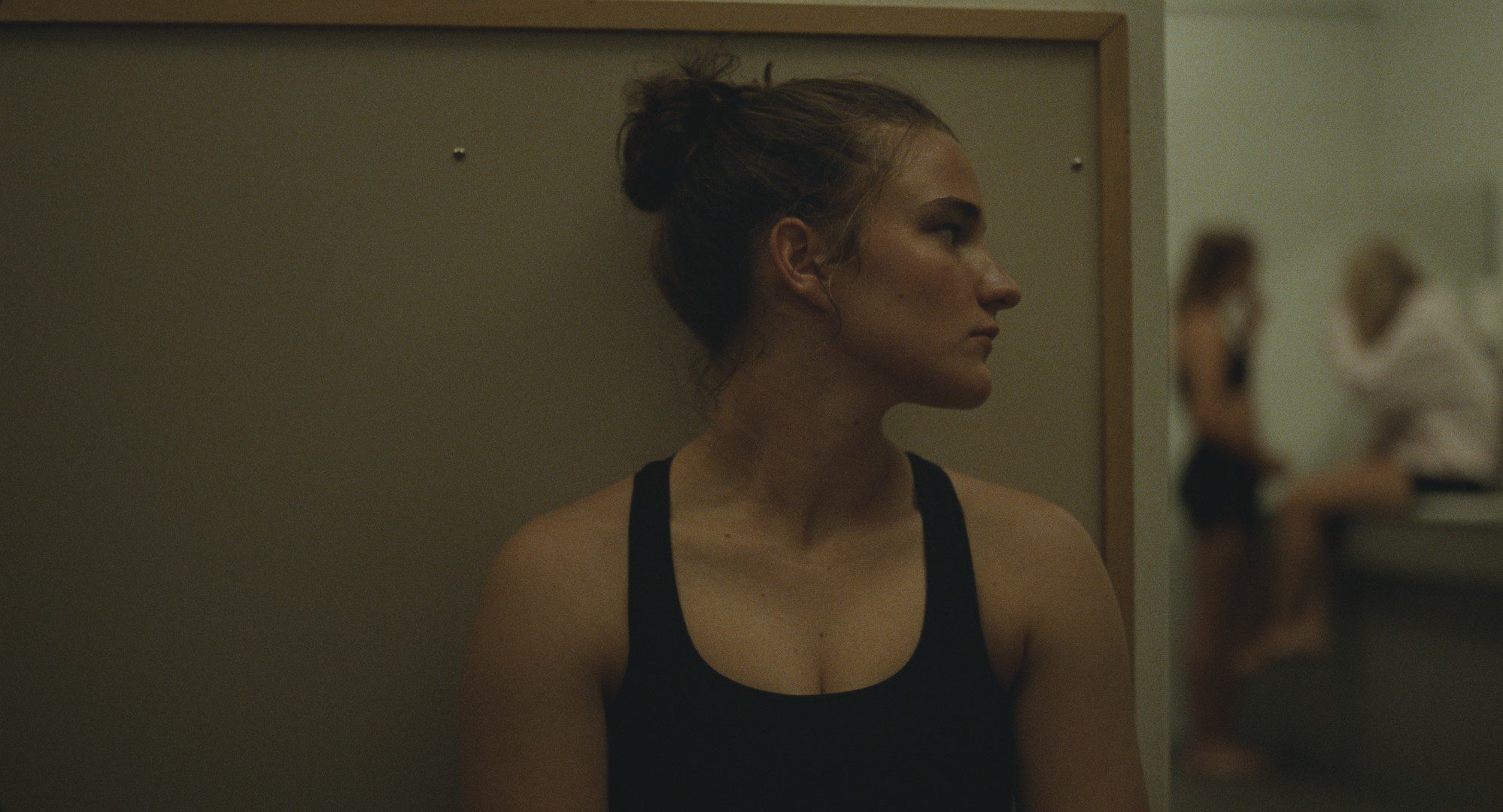
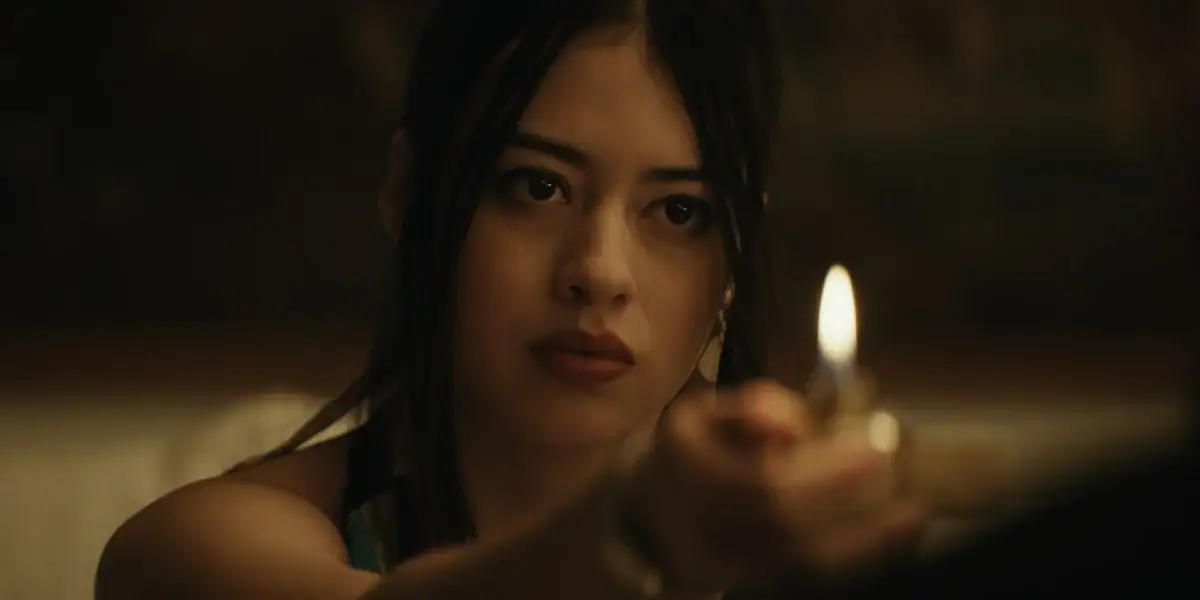
There is no questioning Clements’ ambition as a filmmaker. How We Stand looks considerably more expensive than you might expect, with impressive cinematography, excellent costume design and surprisingly effective visual effects. There are moments when the filmmaking completely immerses you in this world. The predominantly Indigenous ensemble is another major strength, particularly with established performers like Amber Midthunder, Alyssa Wapanatâhk and Isabel DeRoy-Olson at its centre, although some performances are noticeably stronger than others.
Where the film lost me was in its increasingly heavy-handed storytelling. Clements incorporates magical realism to connect the sisters, their trauma and their history, but instead of deepening the narrative, it often makes an already complicated story unnecessarily difficult to follow. By the final act, I was spending more time trying to decipher what the film was attempting to communicate than emotionally engaging with what was happening.
That is particularly disappointing because the subject matter deserves attention. The history surrounding Indigenous relocation, forced separation and institutional violence is horrifying and important. But a film can educate without feeling like a lesson.
How We Stand has the cast, the ideas and cinematic ambition of a great film- or perhaps even a limited series. What begins as an intriguing family mystery ultimately becomes overwhelmed by everything it wants to say.