
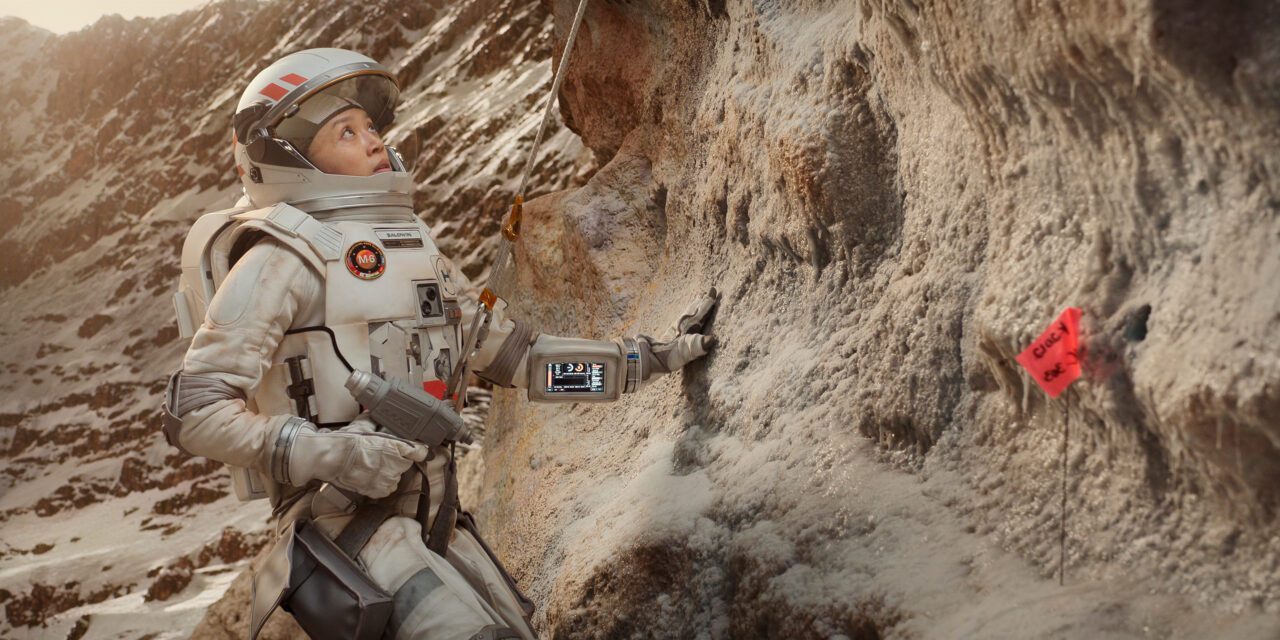
For All Mankind is back. And this time, it wants a revolution.
Created by Ronald D. Moore, Matt Wolpert & Ben Nedivi, For All Mankind has proven itself as one of the best sci-fi series over the last few years. Retelling history through an alternate lens, it highlights what could have been while still showing us who we are now. As such, although it takes place in the depths of space, part of the reason that Mankind has continued to resonate is how un-fictional it seems to be.
For those who are unaware, For All Mankind looks at the impact of the global space race on our world if the Russians had landed on the Moon first. As history unfurls one decade at a time, humanity attempts to evolve and grow in the midst of galactic environments. Now set in the 2010s, Earth’s Mars outpost, Happy Valley, has grown into a successful colony with thousands of residents who call the Red Planet home. However, with resources dwindling, tensions between the Martians and people of Earth begin to grow, creating a division that threatens to destroy the peace between them.

Regardless of the moving pieces of history, humanity’s brokenness always seems to shine through in Mankind, creating situations that mirror contemporary realities. Coded with tensions that stem from the current political situation, the series continues to use the wildness of space travel to explore the fears and anxieties that we face on a daily basis. For instance, in the show’s fourth season, Mankind was more than willing to explore the tensions over resource development and plant seeds of rebellion.
And finally, in season five, those seeds are about to bear fruit.
With Happy Valley finally settled, the demands of its new social systems have amplified tensions with Earth. Without giving any spoilers, the realities of having families live independently on Mars have increased their need for resources to maintain their quality of life. Here, survival is no longer the end goal. Instead, they want to thrive. And this understandably this means asking for more help from Earth.
But Earth isn’t necessarily happy about this increased request for more. Struggling themselves, they believe that they need to make Earth great… er healthy again before offering support to their interstellar colony.

And, as a result, Happy Valley is finally about to boil over.
This sort of political dialogue continues to make Mankind feel relevant. In our world of tariffs and constant political upheaval, the series leans into the world that we live in through a galactic lens in a way that feels almost cathartic. (And, of course, none of this is new to series creator Ronald D. Moore, the visionary behind the rebooted Battlestar Galactica in the early 2000s that explored topics such as xenophobia and suicide bombing in the midst of the War on Terror.)
It’s also worth noting that Season Five feels like it’s time to pass the torch a little bit. Certainly, adding new characters isn’t new to the series. After all, every ten-year time jump brings with it new leads. Even so, with younger characters stepping to the forefront, Mankind appears to tap into Gen Z’s passion to bring genuine change. Of course, the series continues to hold on to legacy characters such as Joel Kinnaman’s aging space traveller, Ed Baldwin. Even so, season five opens the door for the next generation to really lead the fight to flourish.
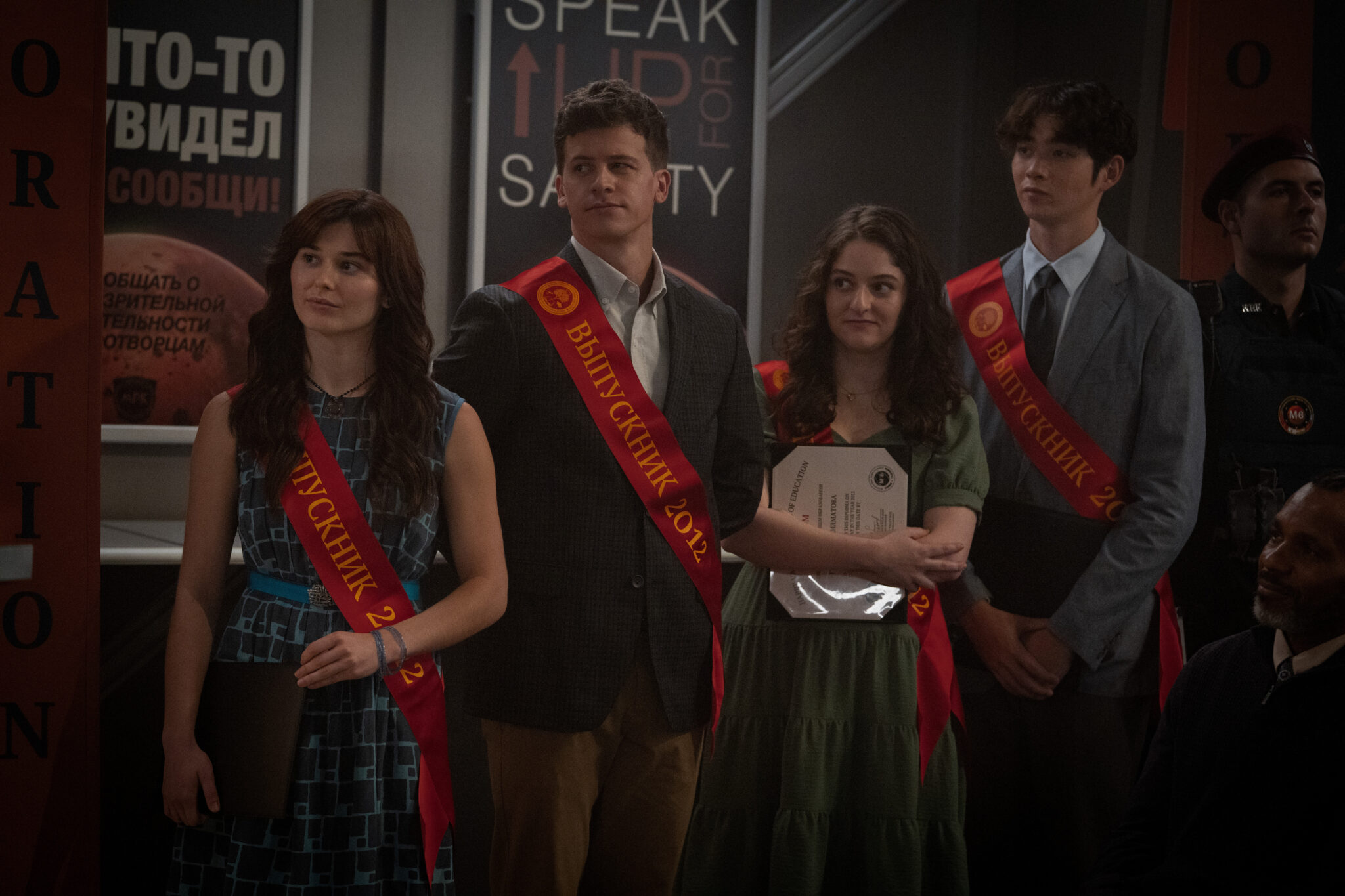
To offer more would ruin the ride but, suffice to say, For All Mankind is back and, this season, it’s turning up the heat. Even after five seasons, Moore, Wolper and Nedivi recognize the power of blurring the lines between fiction and reality, leading to another season that explores our lives through the lens of the Martians. And, once again, it’s looking for hope that extends for all mankind.
The critically acclaimed For All Mankind returns for its highly anticipated fifth season with the premiere episode on Friday, March 27, followed by one new episode every Friday through May 29 on Apple TV.