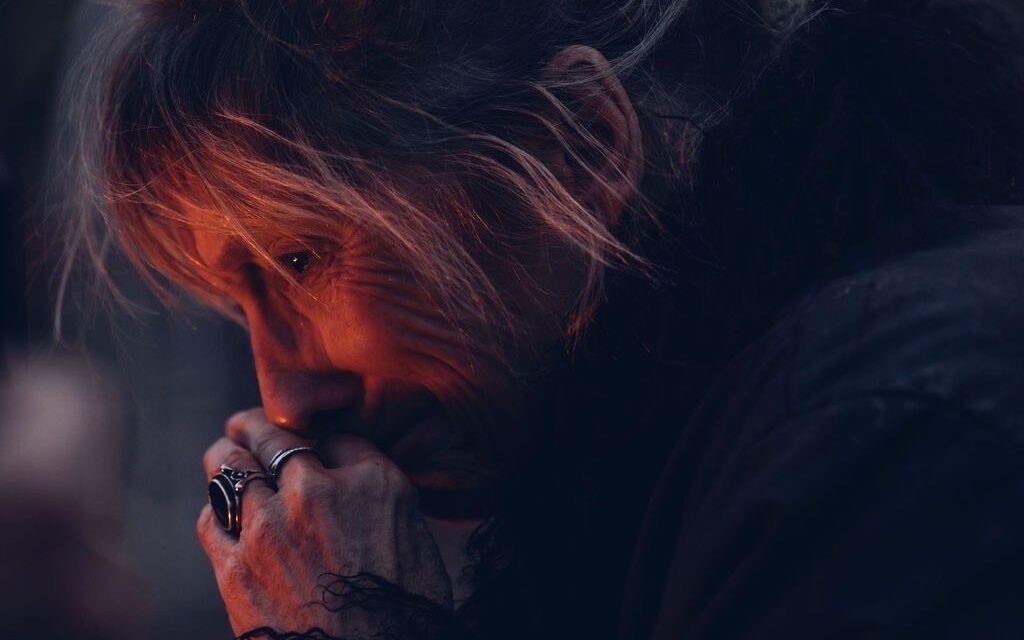
In a world where the water supply has dwindled and much of what remains is contaminated, few live free. We are thrust into the fragile existence of Sarah and her family, who have access to a well—a clean water source worth dying and killing for. They are still grappling with the grief of Sarah’s brother Ben’s death; he had felt like the glue of the family, particularly between Sarah and her mother, Elisha.
One day, a man claiming to be Jaime—the nephew of Sarah’s father, Paul—arrives. Skeptical of any intruder on their grounds, the family relies on Jaime’s story and a single photograph showing him with Ben as proof of his identity. Still, Elisha is the most apprehensive of all, worried that Jaime may not be who he claims or that he could bring disease and disruption into their lives. Problems multiply upon his arrival, and when survival becomes increasingly precarious, personal suspicion threatens to fracture the relatively peaceful and thriving life the family has built.
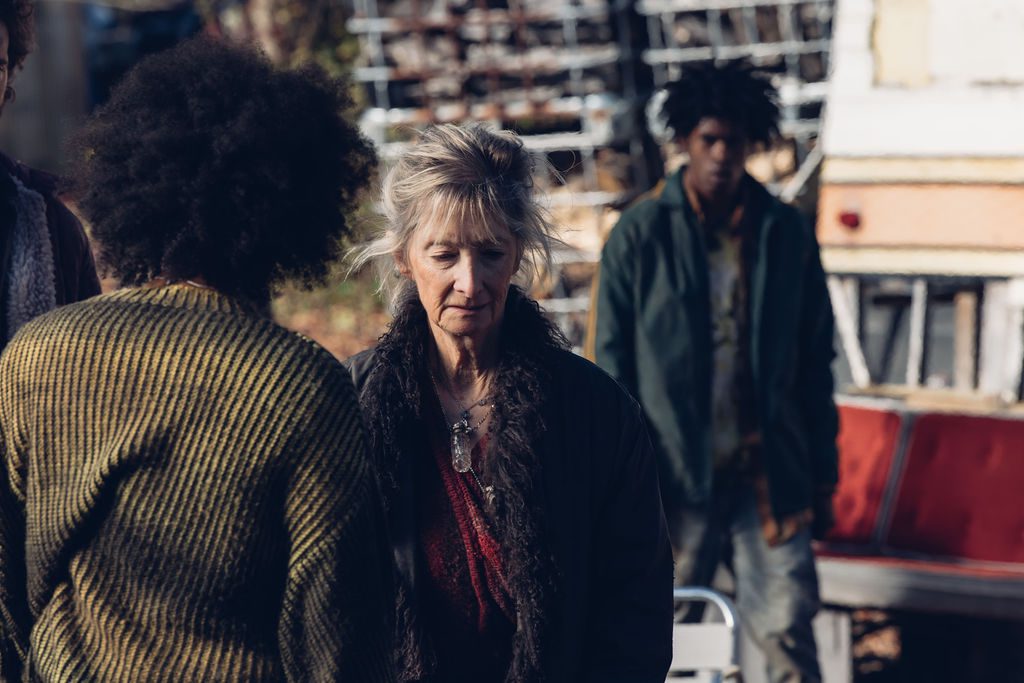
Hubert Davis, coming off his work on Youngblood—which he took over from the late Charles Officer—has proven himself one of the most visionary classical filmmakers emerging from Telefilm and the Canadian scene. This script is well-suited to his style, demonstrating a keen sense of nature and a deliberate focus on shadows and water. Darkness is used effectively, moving us from the relative safety of the forest to the ominous depths of the well where the water lies. The state of the water remains a mystery, as does the method of accessing it, creating tension that Davis carefully teases through his use of shadow and composition.
A smart concept for the film’s length and scale, it evokes memories of Cabin in the Woods and The Witch, and is most reminiscent of What Comes At Night by Trey Edward Shults. Mangled nature, overgrown infrastructure, and a generally unpleasant color palette contribute to a bleak, oppressive atmosphere—even within natural settings removed from human brutality. Filming in Hamilton, Ontario, the production capitalizes on less scenic areas free from beautification, demonstrating how a suburb can be convincingly transformed into an apocalyptic landscape through effective lighting, carefully chosen props, and precise colour grading.
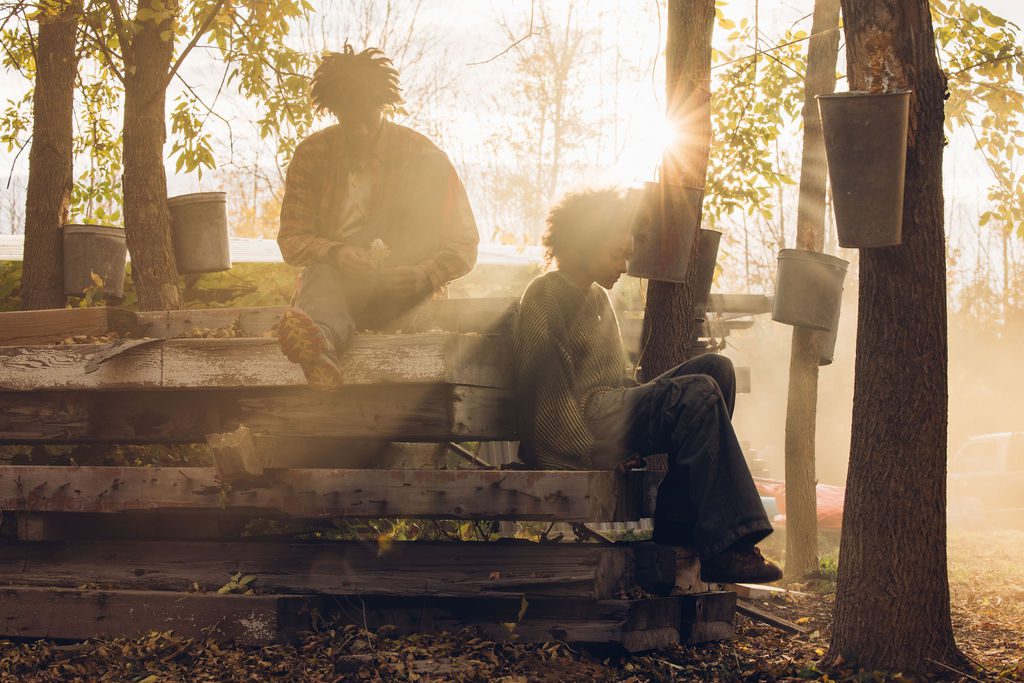
The arrival of a newcomer disrupting the carefully maintained survival of one family is familiar territory, but the film elevates it by introducing a mysterious figure who seems to wield power in this stateless society. Sarah’s encounter with Jaime becomes a catalyst for her growth. Suspicion and tension, ever-present in this delicate period, constantly threaten to escalate beyond words; one hostile move could doom them all. Consequently, the family’s ability to maintain cohesion—and, crucially, their ability to trust Jaime—becomes paramount. Trust emerges as the central theme of the film.
The tension evokes the same unease we feel when witnessing the rise of war, climate change, and other global crises. The film emphasizes the life-and-death importance of unity and communication. Ultimately, it offers a message of hope, affirming freedom and family as core tenets of life—even as these very things are perpetually threatened.
The Well is available on VOD on March 20th, 2026, in correlation with World Water Day on March 22nd, 2026.