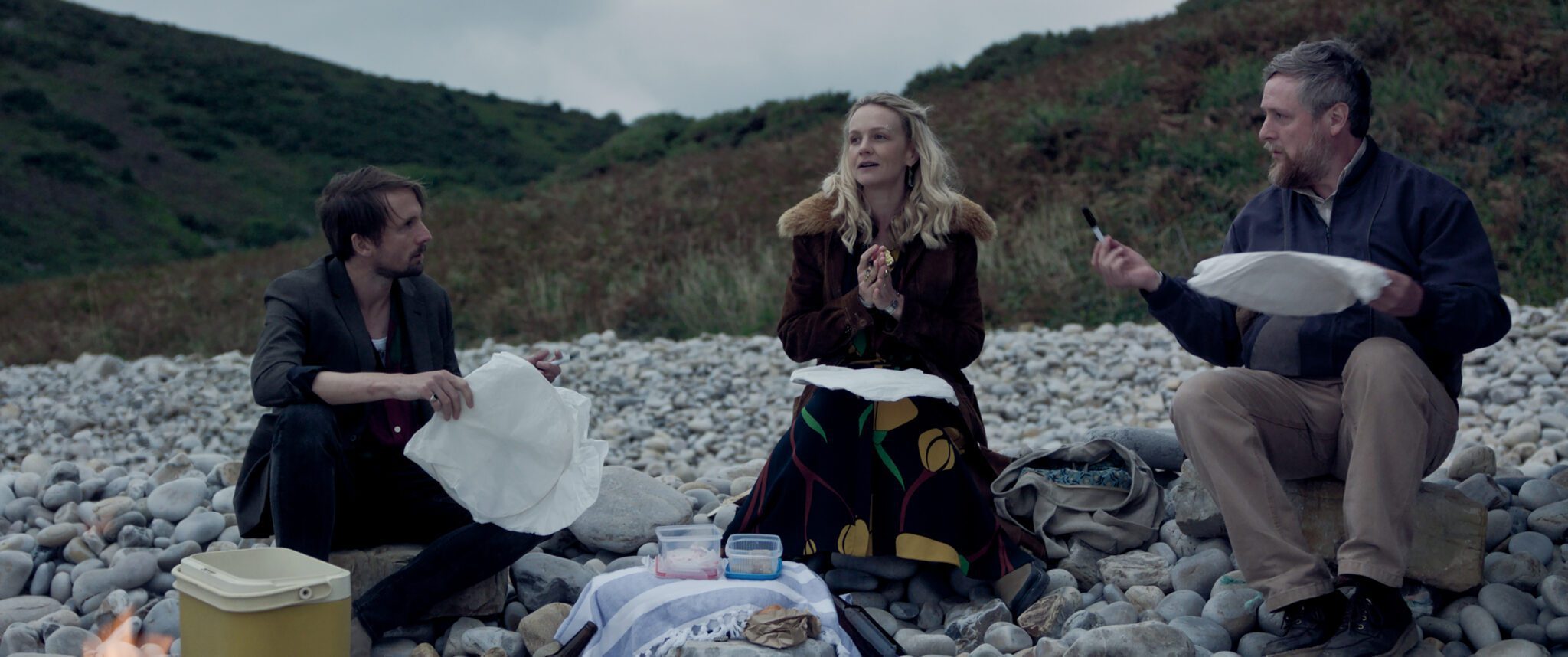
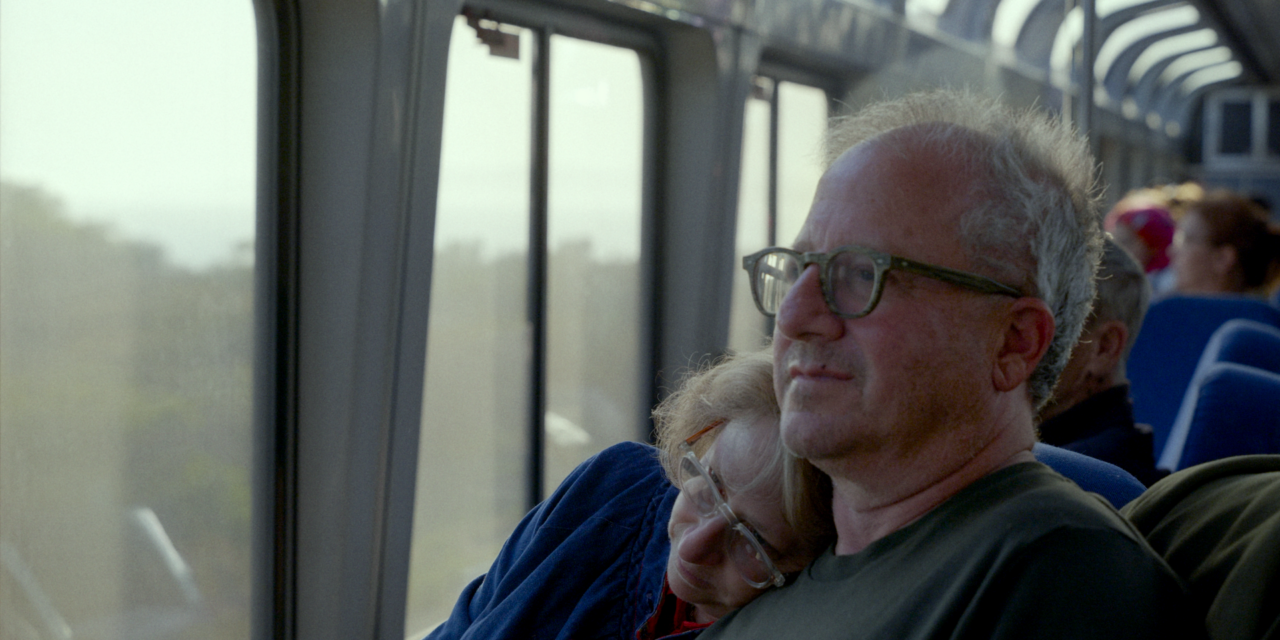
Walk with Me is a documentary that feels homemade and follows Charlie, a 57-year-old graphic designer who discovered that he can no longer remember each step of a job that he has been doing for years. This starts him on a complex healthcare journey with his wife, Heidi, who picks up the camera and becomes a filmmaker documenting Charlie’s Early-Onset Alzheimer’s. Within these longer scenes and through smart cuts, we see the time and effort that Charlie and everyone around him put in to navigate the enduring hardship and lapses that his condition causes.
The film’s concept finds its strengths in its conceit and how personal the documentary is willing to get. Walk goes beyond the informative and gets the human emotion that is coupled with the medical effects that are explained. The film’s editing and music do a meaningful job bringing to mind a cinematic vision that Heidi seems to intend with what is a very home video-esque movie. She includes framed shots taken at specific times to help make the film become more than a collection of videos or a visual manual to how Alzheimer’s might affect someone. With its heavy reliance on piano notes, the music is very nice to listen to and gives a somber mood to this piece. It moves the scenes along with pleasant melodies and a great sense of prescience. For many, the film may get emotional reactions out of people because the combination of music and the story being told makes it almost impossible not to connect with audiences.
Besides Charlie’s life, the other major aspect of the film is Heidi’s perspective as his partner and the filmmaker. As a casting director, Heidi needs to be a problem solver in the tough and complex film industry so she becomes obsessed with finding ways to break down the walls that Alzheimer’s threatens to put up. A lot of the film is about her search to find ways for Charlie to remain himself and continue to grasp the part of his brain that will connect him to the world and, most importantly, to the people he loves.
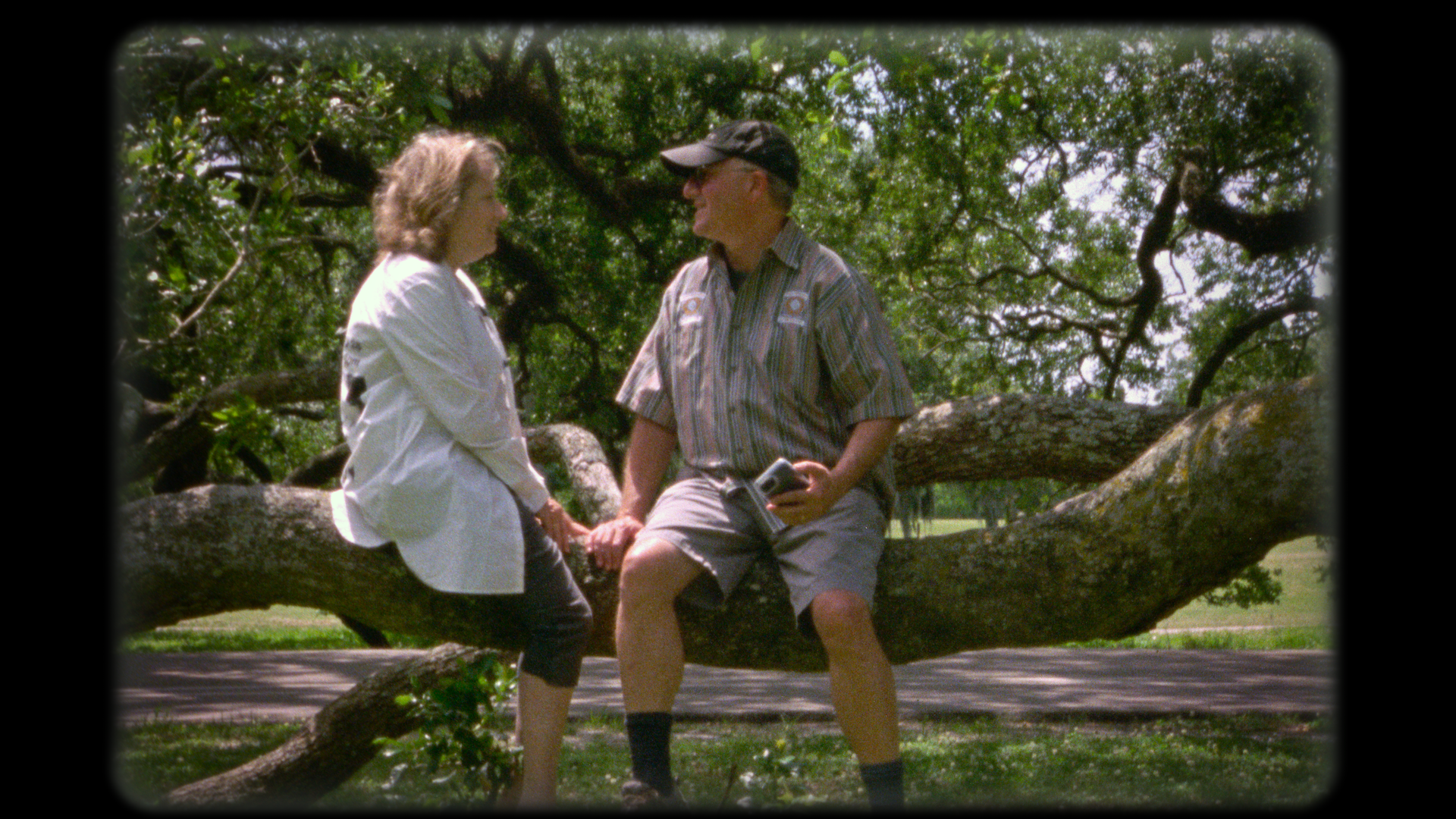
In this way, Walk becomes the activity that fuels the investigation into Charlie’s condition, giving them another reason to communicate and work though his struggles. The film not only doubles as this story but it also captures memories and moments that Charlie’s memory will not, showing how he embraces life at every stage. His strength, resilience, and humor takes the spotlight as the clear standout aspect of the film and allows this story to be more than just a medical tragedy. Instead, it’s a look into the most human experiences of serving one another and bearing each other’s burdens.
With with Me spends its first half an hour looking at the different people who are affected. Heidi starts the journey and keeps the camera beside her. She looks at her kids who, while entering and exploring the college life, have a very different view of their dad than Heidi. For her, the film is important to acknowledge how much the condition has changed Charlie before they even knew he had it. His friend and colleagues must now acknowledge his disease, look towards what he still has and embrace the present abilities and memories that he can pull from.
After that, we get into more of the monotony and time that happens in the course of research and treatment that Charlie undergoes. This includes people who are going through same process of remembering and forgetting depending on the day. Together, they have to try to embrace the idea that what they understand as their life is going to fade away from their mental capacity, a fearful kind of death approaching them but one that seems so much earlier. A very heartfelt and genuine piece, Walk with Me is not just about the people beside Charlie but actively invites us to enter this journey with them, with the hope that they will make Alzheimer’s a less all-consuming part of people’s lives.
Walk with Me is playing at the TIFF Bell Lightbox on July 29th at 6:00pm.