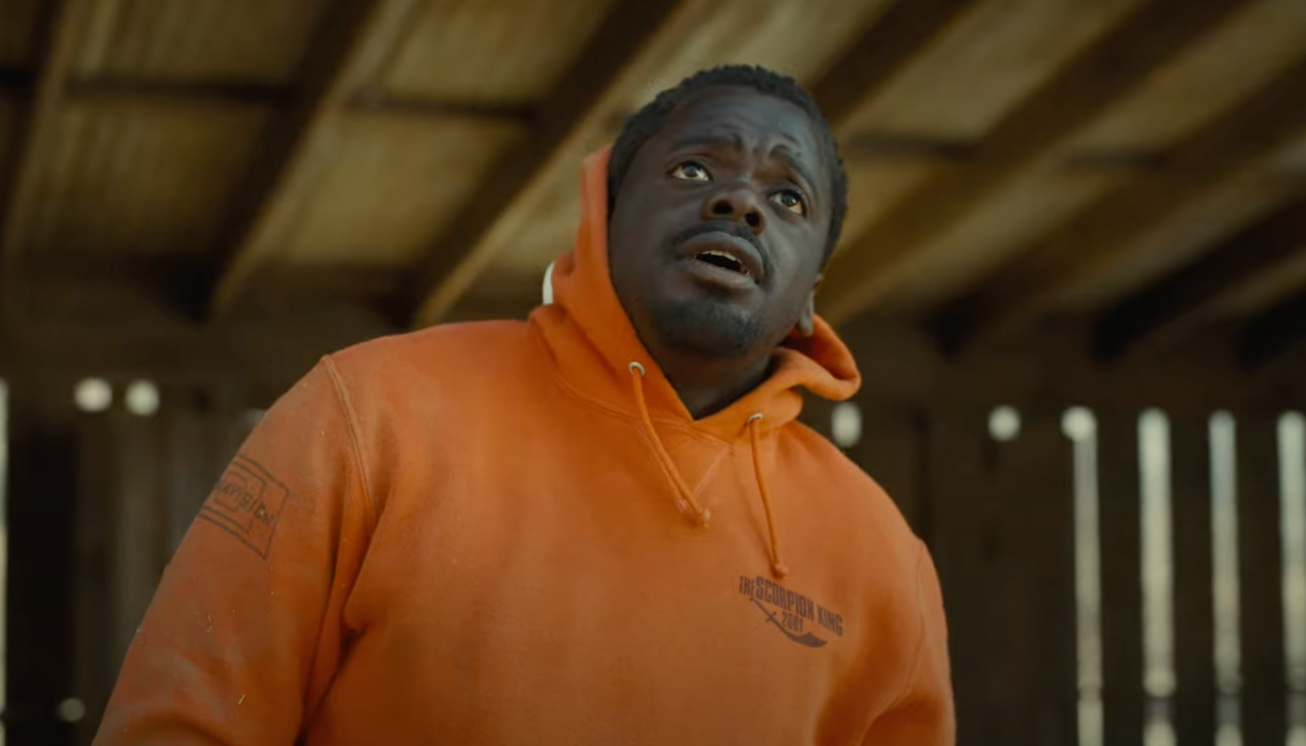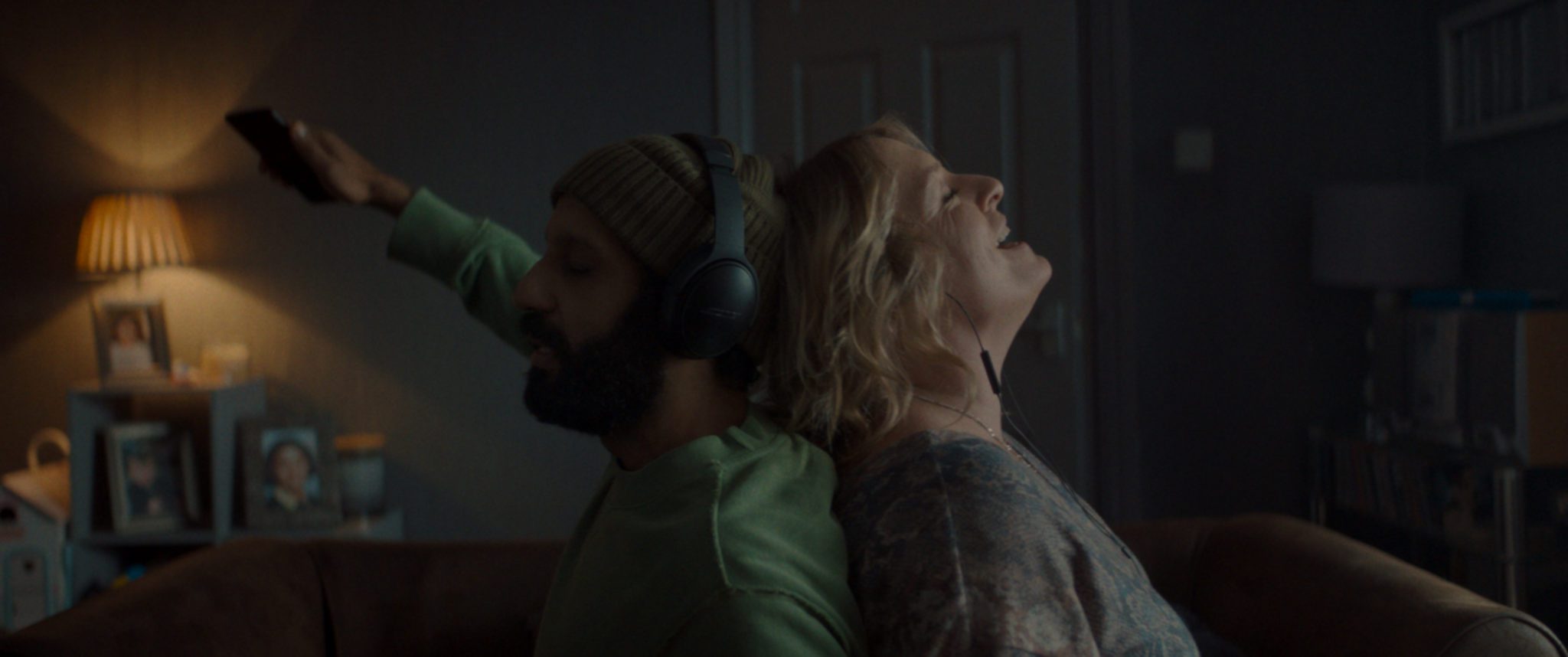
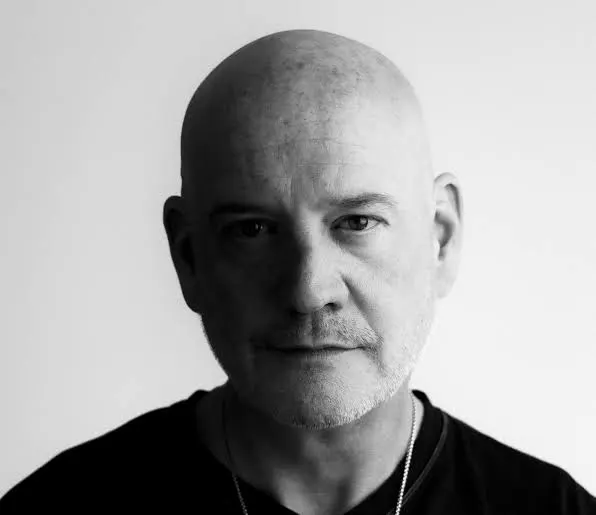
Trevor Morris has made a career out of sculpting emotion. His music, from the thunderous landscapes of Vikings to the aching intimacy of The Tudors, has always reached beyond melody to something deeply resonant. In his latest project and debut as a filmmaker, Butterfly On A Wheel, a short film about a young musician living with OCD and anxiety, the Emmy-winning composer steps into uncharted territory. A redemptive narrative written, directed and composed by him truly.
“What I’ve learned as a filmmaker is that what is most personal is what is most universally recognized. So you gotta be brave enough to be as personal as you can.”
The film, intimate in scale but vast in its emotional impact, marks the first time Morris has fully integrated his identities as a storyteller and sound architect. The film is a delicate exploration of how mental health attempts to contain the pain and fear that often trick us into believing our desires are out of reach. Morris challenges that notion, blurring the lines between fiction and memory as he channels pieces of his own life into Jacen’s world, a process that, he admits, felt both vulnerable and liberating. “There are autobiographical parts and more inspired aspects of the film; for example, the scene with Jacen sitting on his grandmother’s lap is a core memory from my life. She played Puff the Magic Dragon for me on the piano.”
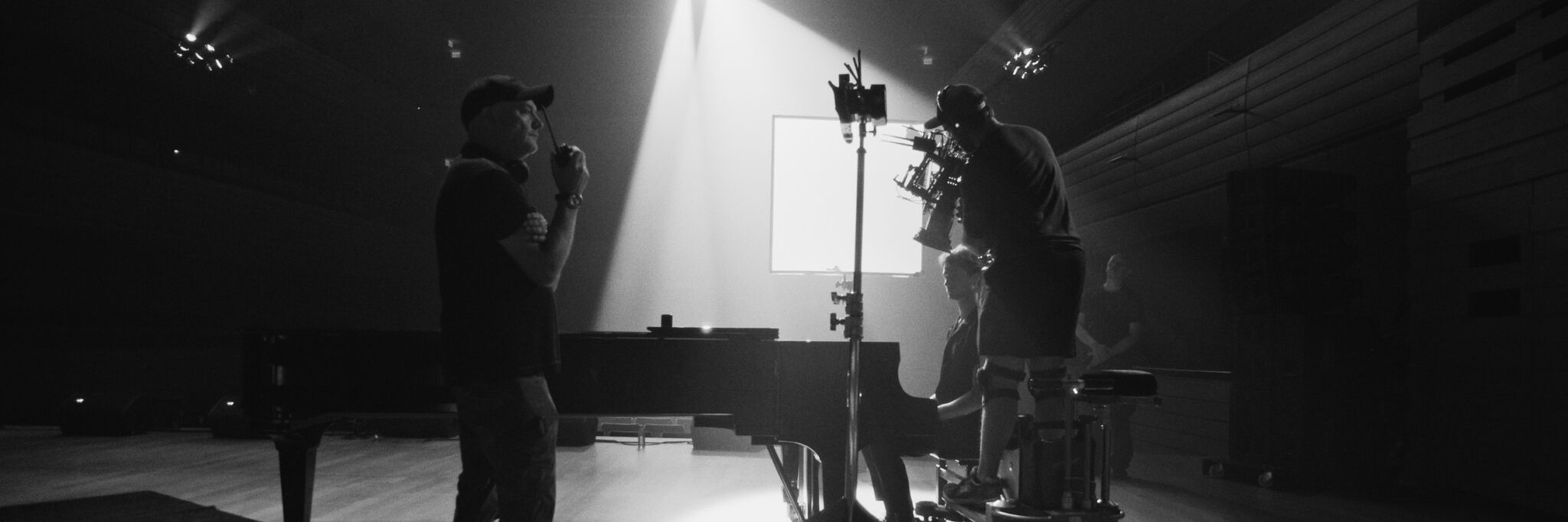
For Morris, stepping behind the camera wasn’t just a new challenge; it was a leap into the unknown. What began as a script written in solitude quickly became a masterclass in reinvention. “It’s a very surreal experience writing words that someone is going to say,” he admits with a laugh. “It’s wild.” Yet, even in those early drafts, something in him knew that the story demanded his own direction. “In an honest moment, I realized I was the best person to direct it,” he says. “With one small detail being I didn’t know how to direct.”
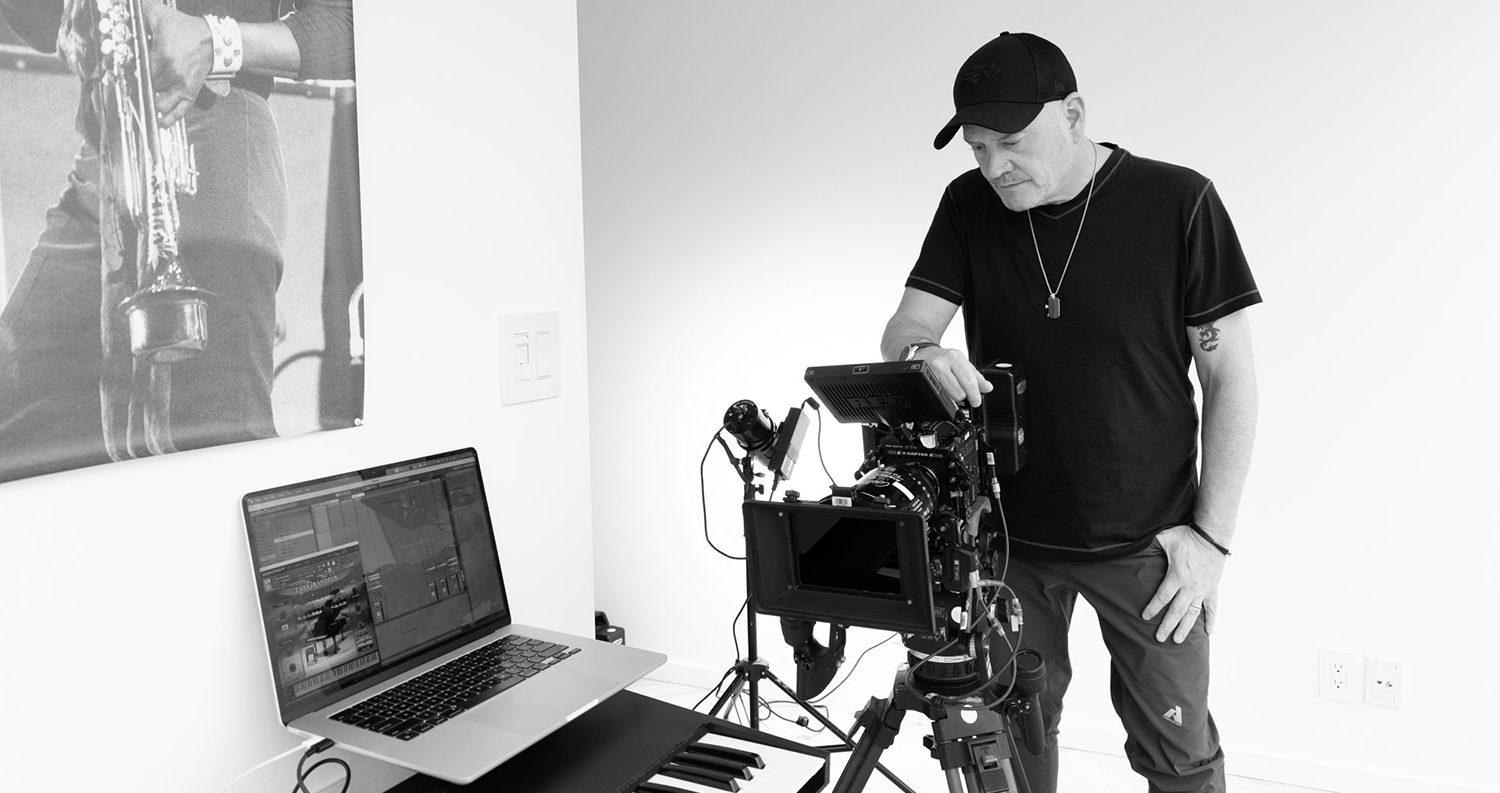
Rather than shy away, Morris dove headfirst into a year-long self-taught education. He devoured books, online courses, and YouTube tutorials, studying cinematography and the language of the camera until it became instinct. “I rewatched all my favourite films through a director’s eye,” he recalls. “It was a full immersion for me in learning this craft.”
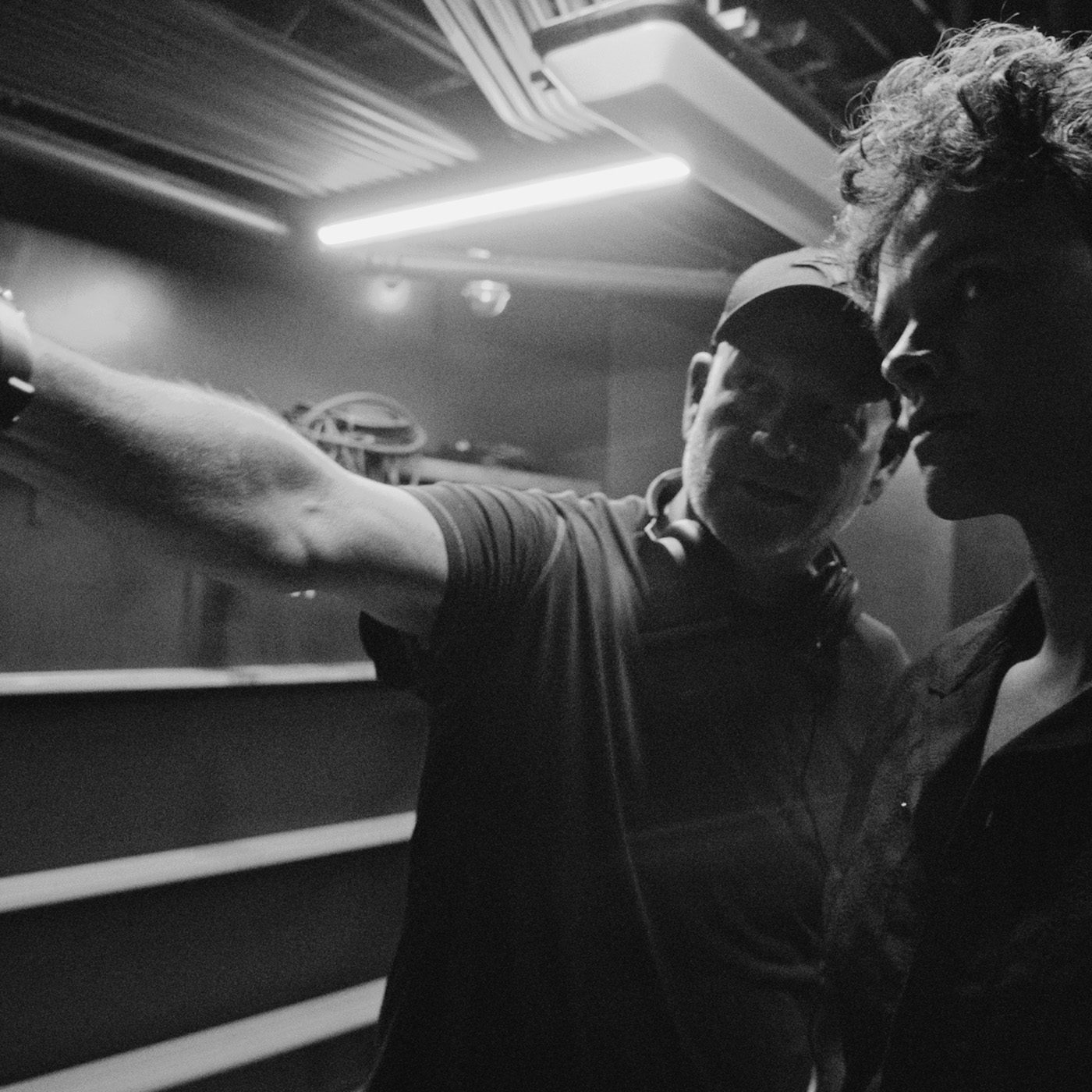
That transition from the quiet solitude of writing and composing to the collaborative chaos of a film set was initially jarring. “Writing and composing are similar in nature; they’re stoic, solitary acts,” Morris reflects. “But shooting is a different animal, because when you yell cut, forty people turn and look at you, and that was a little unnerving. It took me a couple of days to get used to it.”
When I asked what made directing feel so unnerving, Morris leaned back, thoughtful. It wasn’t the creative vision that intimidated him; it was the orchestration of everything else. “As a first-time director, I did bring a lot of experience from my background as an orchestra conductor, and that helped me,” he explains. “But the machinery of making a movie is overwhelming with all the moving parts, unless you’ve been around it.”
I imagined the process much like his experience at conducting an orchestra, where every department plays its own vital part, all waiting for his cue. “You have to make a thousand decisions a day,” he laughs. “And you’re the only one who can answer these questions. You can’t delegate it.” Nonetheless, that weight of responsibility was exhilarating and left him wanting to do it again. “My producers told me when I first started that when I was done, one of two things would happen. I’d never want to make a movie ever again, or I would get the bug. I got the bug.” He shrugs with a smile. “I’m very much going to pursue this career with fervour and enthusiasm.”
When the conversation turns to the film’s sound, Morris’s eyes light up. For a composer, the music was always destined to be more than a score; it was the heartbeat of Jacen’s transformation. “I wanted Jacen’s final performance to be jazz,” he says, a smile flickering across his face. “Unlike classical music, jazz has a soul to it that comes from improvisation.” In that final sequence, shot at the stunning Koerner Hall, once an intimidating monument to perfection, becomes something else entirely. “To Jacen, it’s like the Sistine Chapel,” Morris explains. “But I wanted to show it in a loud, proud, colourful way. The style of music is jazz, but there’s a rock ’n’ roll quality to it.”
The result is an ending that feels both ecstatic and freeing: a collision of sound and colour that mirrors Jacen’s long-awaited release. “I wanted to stick the landing of the movie on that audio and visual feeling,” Morris says. “Jacen finally gets out of his own way. He crosses the Rubicon toward the thing he’s wanted his entire life, which is just to be out there and play his music for other people.”
Many of the film’s most unforgettable moments hinge on Jacen’s musical performances, and I was curious how Morris worked with Curran Walters to make them feel so believable. “Curran was a trooper,” he says. “He really wanted his performance to get as close to something that would feel realistic. He doesn’t play piano at all, so we did two things. The first was I coached him based on what I knew the camera would and wouldn’t see. The other thing we did was hire a piano coach for him, the same coach who taught Ryan Gosling how to play piano for La La Land.”
I was fascinated to hear the focus wasn’t on learning the notes, but the mannerisms of a pianist. “For someone new to piano, fingers tend to stay on the edge of the white keys,” Morris explains. “Real pianists get deep into the black keys, so that’s what we wanted to teach him for authenticity. Curran went to lessons once a week and practiced at home. It really paid off because a lot of people asked me if he really played music in the film. He didn’t; he had a hand double. It was a magic trick to pull off, and I think we did it.”
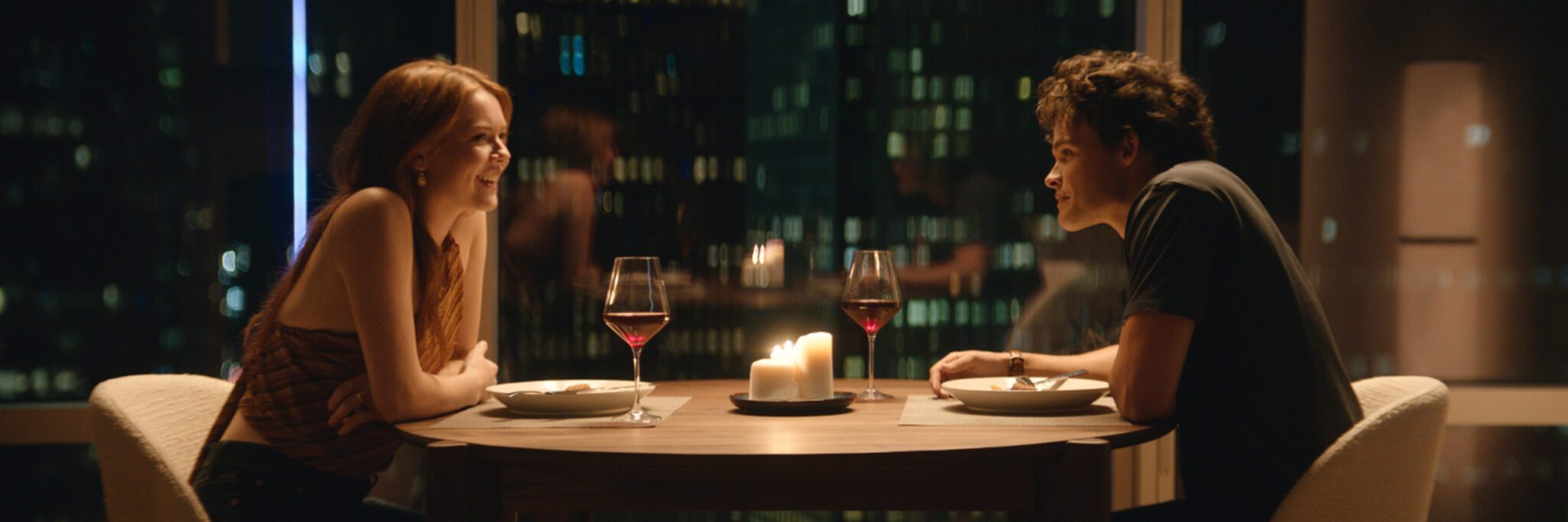
I have to admit, I was genuinely surprised and honestly impressed when I learned about the hand double. Watching Jacen’s fingers dance across the keys, I had assumed Curran was performing every note himself. Knowing the illusion behind it made me appreciate the craft even more, and also Curran’s dedication. For anyone who knows his work in Titans, it’s remarkable to see how he fully inhabits Jacen’s world, bringing a sense of truth and vulnerability to every keystroke, even when it’s movie magic at play.
At the heart of Butterfly on a Wheel is Trevor Morris’s deep care for the human condition and his belief in the importance of accepting oneself. For Morris, Jacen’s story is a meditation on the inner conflicts that hold us back. “The underlying narrative of the movie is someone searching for their authentic voice,” he explains, “and as humans, we are really good at getting in our own way.” Jacen’s journey, to connect, to play his music, to live fully, is emblematic of that struggle. Morris continues, “This movie is about conquering that inner conflict, whatever that thing is for you, to get out of your own way so you can be your best self.”
To capture Jacen’s experience with OCD authentically, Morris brought in consultant Josh Dvorkin. “He was the target audience for this film, and we wanted to make sure that when he watched it, he’d say to himself, Yeah, that’s what it looks like.” Every directorial decision, from the timing of Jacen’s gestures to the framing of his moments at the piano, was made with this commitment to truth. For Morris, it was never about dramatizing the condition; it was about understanding it, respecting it, and showing the small, human victories that can come from accepting what makes you different as a superpower.
This film is more than a story about mental health; it’s a celebration of individuality, of the courage it takes to embrace what makes us different. For Trevor Morris, that message is deeply personal. “It’s not about overcoming what makes you different, it’s about making peace with it,” he says. Reflecting on his own childhood, he recalls a time before terms like “neurodivergent” existed, when being labelled “different” or “special” left a lasting mark. “When you’re a kid, that gets imprinted on your soul, and that sticks with you,” he admits.
But Morris’s journey, and the journey of Jacen, is ultimately one of empowerment. “Things that make me different are what make me who I am,” he explains. “If there is a deficiency that is a part of you, then lean into the other strengths that are a part of you.” The film becomes a quiet manifesto for self-acceptance, a reminder that permitting yourself to be fully, unapologetically you is a monumental act of courage, and one the world desperately needs. “I truly believe the world would be a better place if we just accepted ourselves for who we are.” Morris reflects, and in that hope, Butterfly on a Wheel leaves its most enduring note: a call to embrace our imperfections, our uniqueness, and, ultimately, our humanity.