
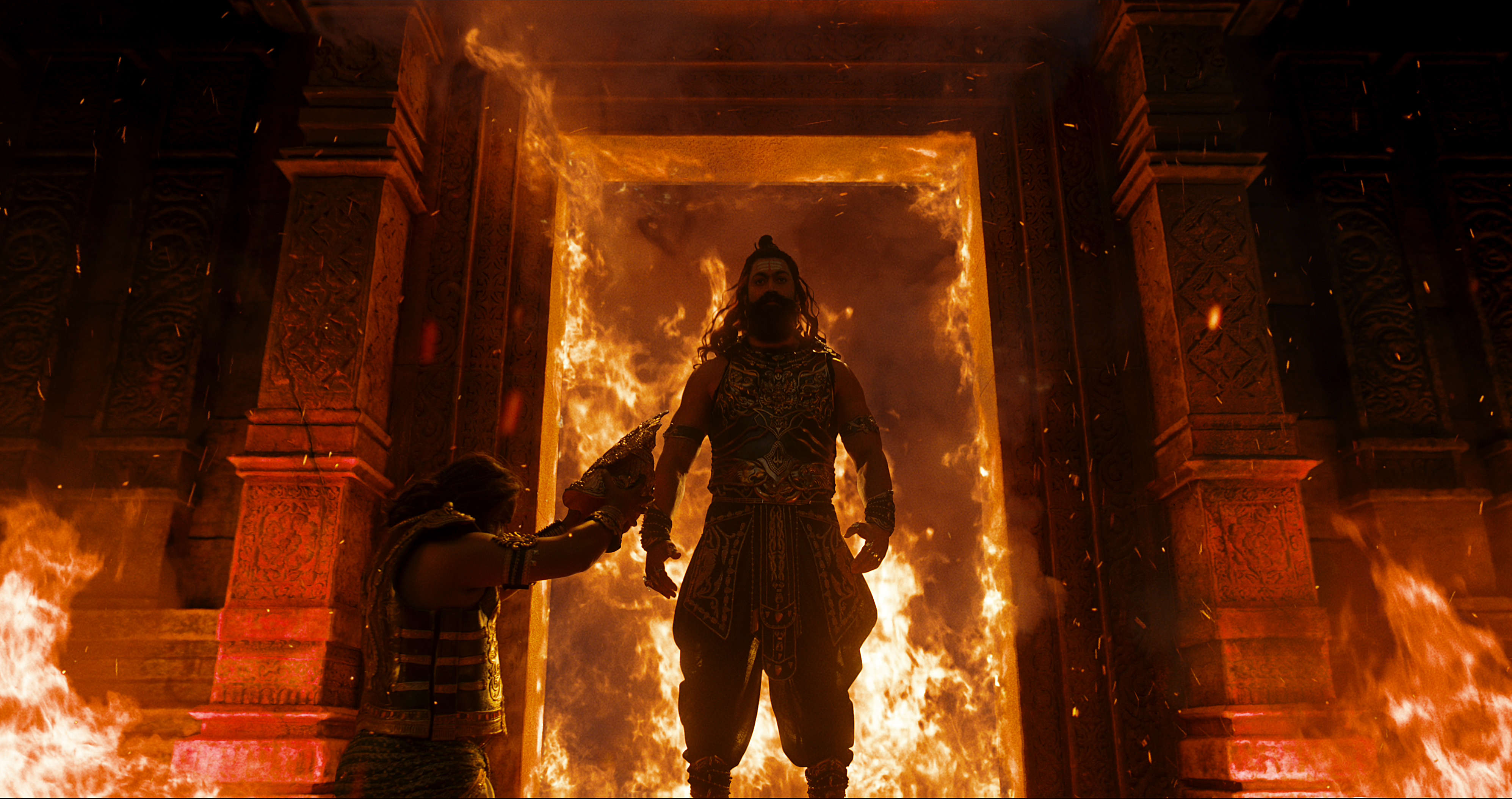
There are films you watch, and then there are films that make you feel as though you’ve stepped into another world. Ramayana: Part 1 is very much the latter.
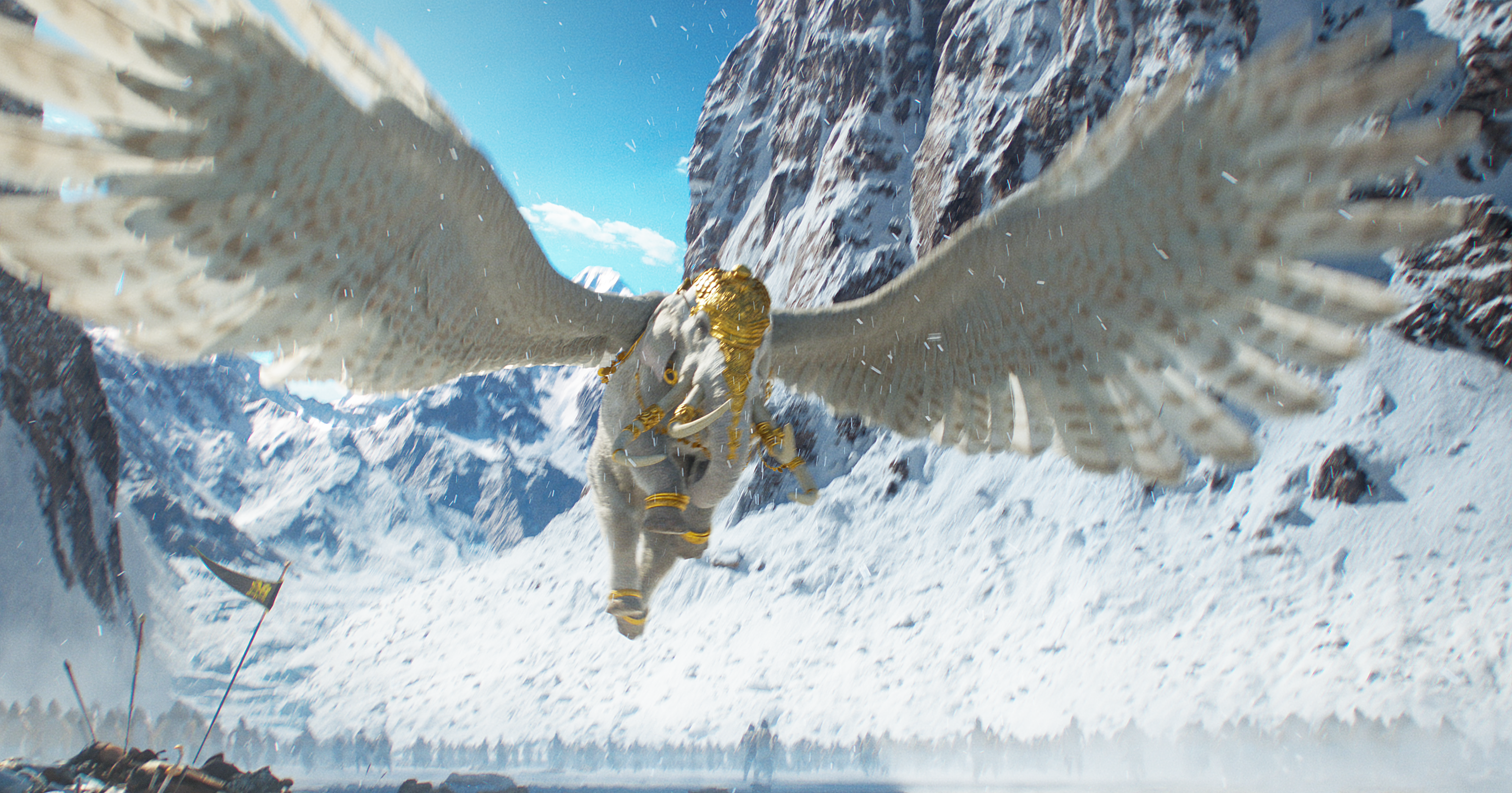
Directed by Nitesh Tiwari, this ambitious retelling of one of Hinduism’s most cherished epics brings the story of Lord Rama, Goddess Sita and Ravana to life with breathtaking scale and visual beauty. From its landscapes and world-building to its extraordinary visual effects, this is a film that feels made for the big screen. Having watched it in 3D, I was particularly taken by how immersive the experience was. There is a level of detail and grandeur that makes the world feel enormous, and it is difficult not to be swept up in it.
A great deal of that ambition comes from the filmmaking team behind the production. Produced by Namit Malhotra, founder of DNEG, the film benefits from the experience of a visual-effects company whose work includes Christopher Nolan’s Inception and Interstellar, as well as The Odyssey. That experience with large-scale visual storytelling is evident throughout the film.
But spectacle alone cannot carry a story of this magnitude. Thankfully, Ramayana has the performances to match its ambition.
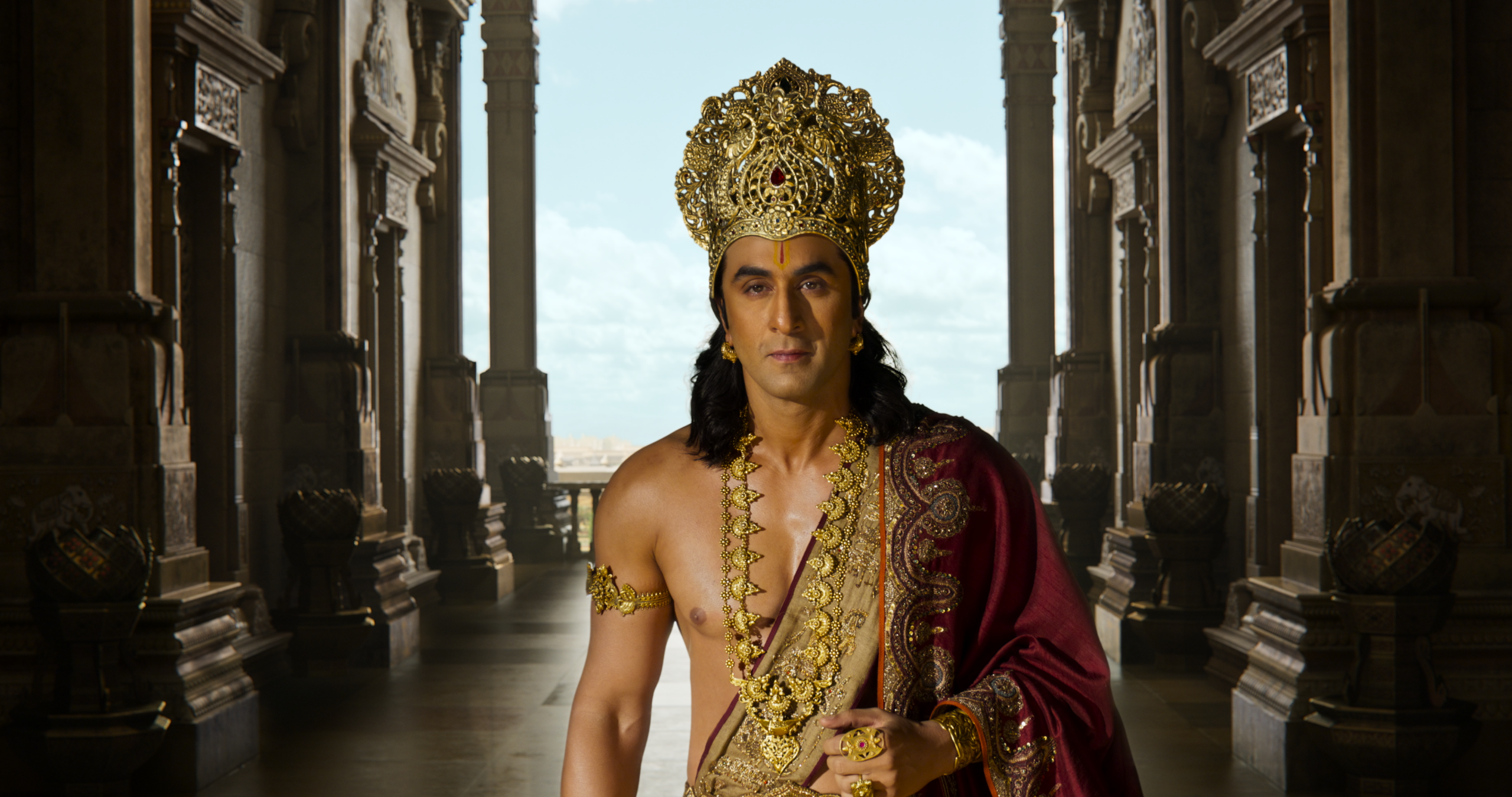
Ranbir Kapoor, Sai Pallavi and Yash are phenomenal actors. Kapoor brings a sense of grace and presence to Ram, while Pallavi gives Sita a simple beauty and warmth that make her portrayal especially memorable. Yash, meanwhile, brings an imposing presence to Ravana. Each performance helps establish the characters at the heart of this epic, giving audiences a reason to invest in the journey ahead.
At its heart, the film explores the story of Ram, regarded in Hindu tradition as the seventh incarnation of Lord Vishnu, and his destined conflict with Ravana, the powerful ruler of Lanka. Ravana’s ambition reaches far beyond his own kingdom. Having received a divine boon that protects him from defeat by the gods and other supernatural beings, he believes himself nearly untouchable. Yet the very condition of that boon leaves open the possibility of his downfall at the hands of a human. And so, Lord Vishnu takes human form as Ram.

What makes this first instalment particularly interesting, however, is that it doesn’t simply ask us to look at the story through the lens of its hero.
One of the things I appreciated most was the attention given to Ravana’s backstory. We are introduced to more than a powerful antagonist rising against the forces of good. We begin to understand the history and grievances that shape him: his connection to his clan, his mother, his siblings and his people. There is a sense that he carries the memory of a people who have been defeated, overlooked and deprived of the standing he believes they deserve.
And that changes something.
As I watched, I found myself thinking, perhaps Ravana isn’t quite who I expected him to be. His actions are not necessarily justified, and his ambition is certainly not without consequence. But the film gives us a glimpse of the person behind the reputation, a man who is the leader of a clan that longs for recognition, security and a better future.
I think there is something particularly meaningful in that approach. Sometimes, when we encounter an antagonist, we are so quick to see only the destruction they cause that we never stop to consider the experiences, grievances or motivations that brought them there. Understanding someone’s reasons does not mean agreeing with their decisions. It simply allows us to see the person behind them.
And I thought the film handled that beautifully.
The tension between the Devas and Asuras also adds another dimension to this conflict. Rather than treating the story as a simple disagreement between two opposing forces, the film gives us room to consider questions of power, history, loyalty and what happens when a people believe they have been wronged. Ravana’s desire to stand up for his own is something audiences can understand, even as they recognize that the path he chooses is ultimately destructive.
This is where Ramayana becomes more than a spectacle. It reminds us that the stories we tell about good and evil can become much more compelling when we take the time to understand the motivations behind them.
Of course, the film is also a slow build. At nearly three hours, it takes its time establishing Ram, Sita and Ravana, allowing their respective journeys to unfold before bringing the larger conflict into focus. For audiences who prefer a faster-moving story, the pacing may feel slow at times. And I would be lying if I said I wasn’t eager to see Ram and Ravana finally meet.
That confrontation does not happen in this instalment, and there is a certain sadness in reaching the end knowing that the central clash is still ahead. But I also understand what the filmmakers are trying to accomplish. This is not simply a story about two powerful figures coming face to face. It is about the people, beliefs, choices and circumstances that bring that moment into existence.
The film also gives us a beautiful foundation for Ram and Sita’s story. Their relationship carries a significance that reaches far beyond the events unfolding on screen, and I appreciated the care with which their story is brought to life. There is something so surreal about watching an epic that has been passed down through generations receive such an ambitious cinematic treatment.
For me, Ramayana: Part 1 is a beautiful beginning to a vibrant story. The performances are excellent, the writing gives the characters room to develop, and the visuals are an experience that deserves to be seen on the biggest screen possible.
Most importantly, it leaves you wanting more. More of Ram and Sita, more of Ravana’s journey, and more of the conflict that has been building throughout the film. I walked away eager to see how these stories will finally collide.
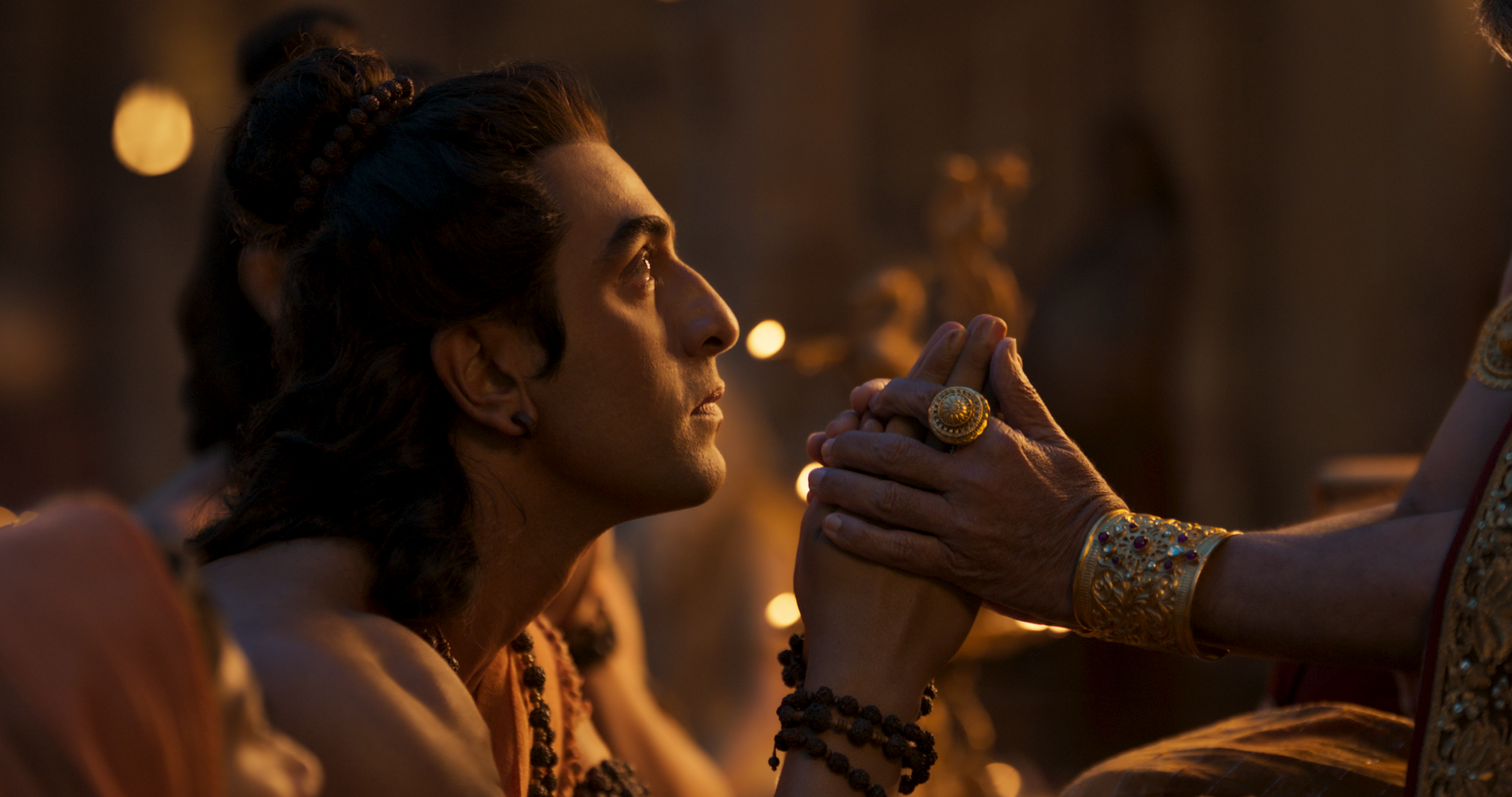
Perhaps that is the beauty of this first chapter. It reminds us that even in stories we think we know, there is always more to discover, sometimes even in the characters we thought we understood.
Ramayana: Part 2 is expected to arrive around Diwali 2028. And after this first instalment, the wait already feels a little too long.
Some stories are worth telling again and again. But when they are brought to life with this much beauty, ambition and reverence, you are reminded why they have endured for generations.
Watch the epic Ramayana: Part 1 exclusively in theatres today.