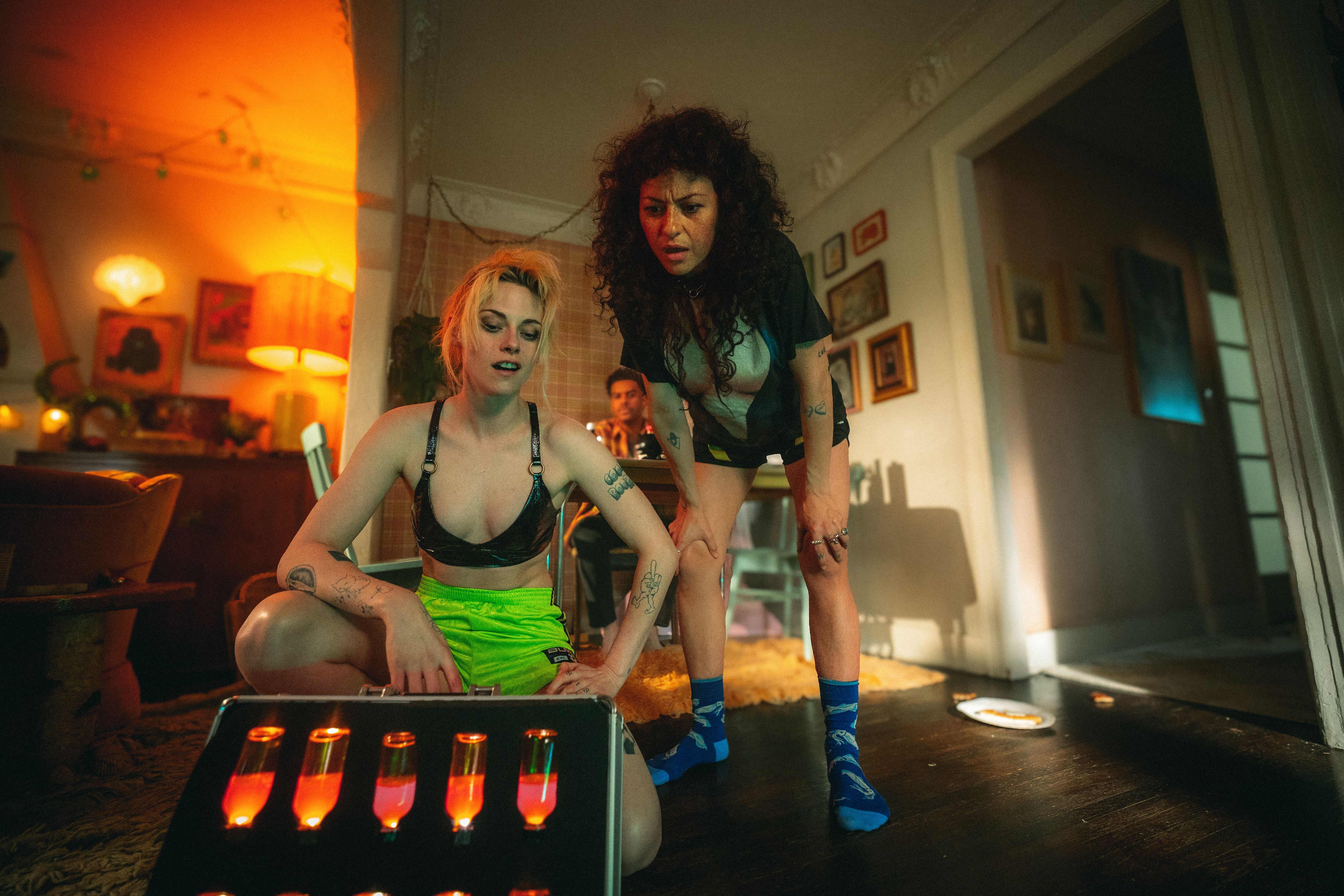
From the producers of two men who helped define the stoner comedy comes a film that tries to push this micro-genre forward. Historically, the voices that have been given little heed in the stoner comedy are women. So, naturally, a star like Kristen Stewart, alongside a talented co-star in Alia Shawkat, steps into the role with more complexity than women are often allowed from either studio (or even festival indie) comedies.
Stewart and Shawkat play Frankie and Molly, two best friends who are struggling to support themselves paycheque to paycheque, even as they continue to go bong rip for bong rip with one another. It becomes clear within the first twenty minutes of the film that these two need to be pushed out of their comfort zone, and that may mean being pushed away from each other. Frankie is a Stanford Engineering dropout, and while that skill and intelligence have never gone away, she keeps running away from her lack of accomplishment in school. Molly has it even worse. She has a loving boyfriend named Josh who is in the financial position to support her, which would allow her the time and space to pursue her dream vocation as a chef. Yet Frankie gets in the way of Josh and Molly’s life together, while Molly also accepts that she never wants Frankie to be away from her.
The film then kicks them out of their comfort zone when, one night, Frankie accidentally claims samples of the world’s most potent and innovative drug, which sends hitmen, businessmen, and some plain old creepy men in their direction. Trying to use their possession of these drugs as a way to become more financially stable, the two set off on a journey that will test their friendship.
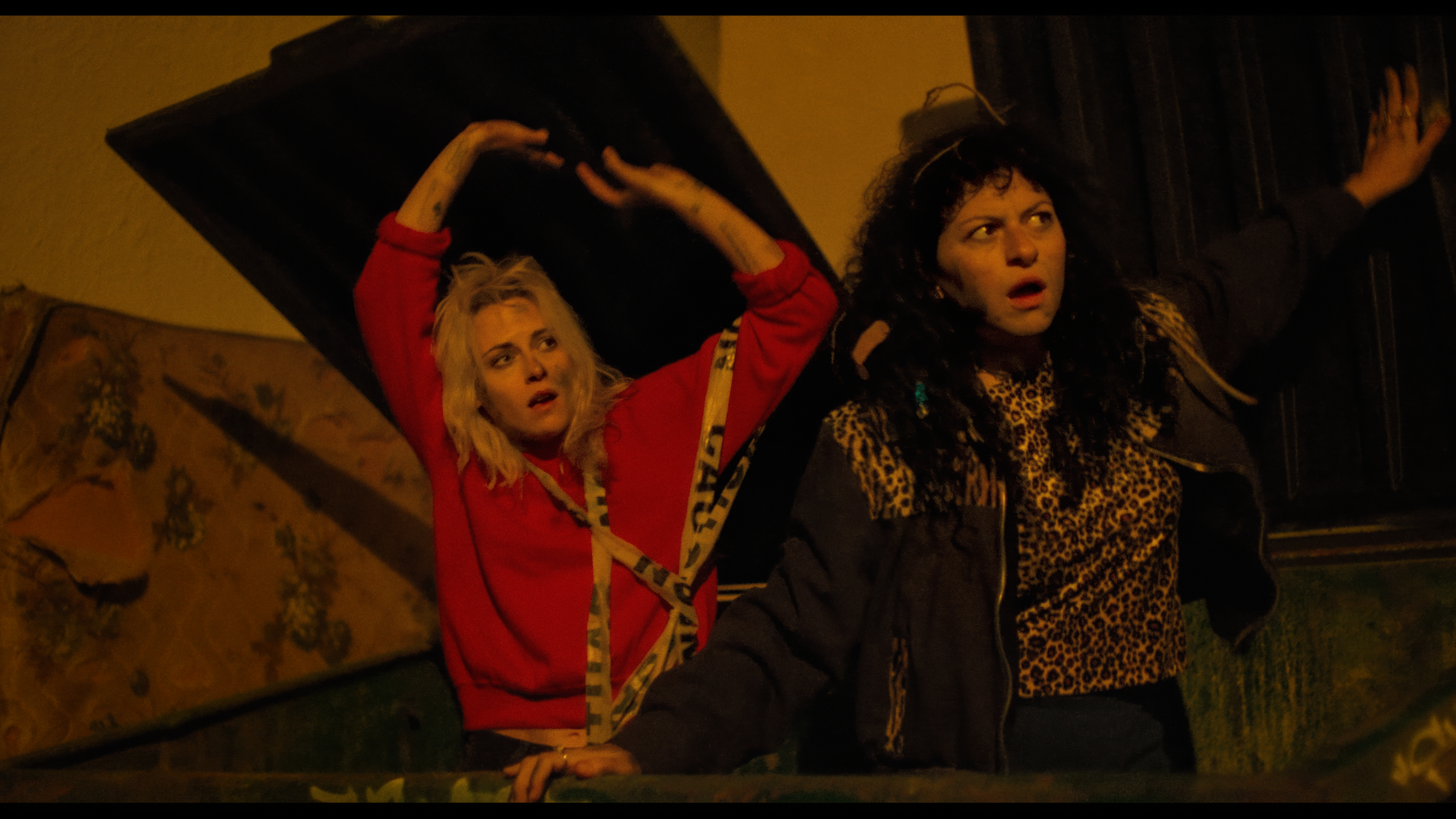
Ultimately, while delivering a well-thought-out commentary on friendship, the film tries to put that commentary into the old and mostly tired formula of the action stoner comedy. It tries to make what was once a hit for 2000s audiences work for today by changing the main leads, but it fails to give enough of a fresh voice to them or their particular problems that 2026 and all its complications may bring.
The music and visuals are the aesthetic choices that work most effectively. Music supervisor Jen Malone should be well known in the industry for her work on films like Caught Stealing, as well as her ability to create a unique musical tone in shows like Wednesday and Euphoria. The latter, especially, with its unique and specific visuals to set music to, was a perfect match for her talents. In this film, some of that magic is recreated, as the unique visuals and music choices, which mostly reside in the punk rock genre, are invigorating and give you another reason to keep watching.
The visuals especially use more homemade, DIY effects and editing tricks to create unique and, for me, never-before-seen ways of depicting what it can be like to be high. The characters are shot in 0.5 and wide frames. They are stretched, duplicated, and shot in ridiculous close-ups to contribute to the experience. The lighting also contributes to this, as the light is very unnatural. The colours are very industrial, tending toward grey-greens, blues, and yellows. This does well to add to the paranoia and uncomfortable nature of the film. The sound always seems to be changing slightly, and the way you hear certain characters seems to be constantly shifting.
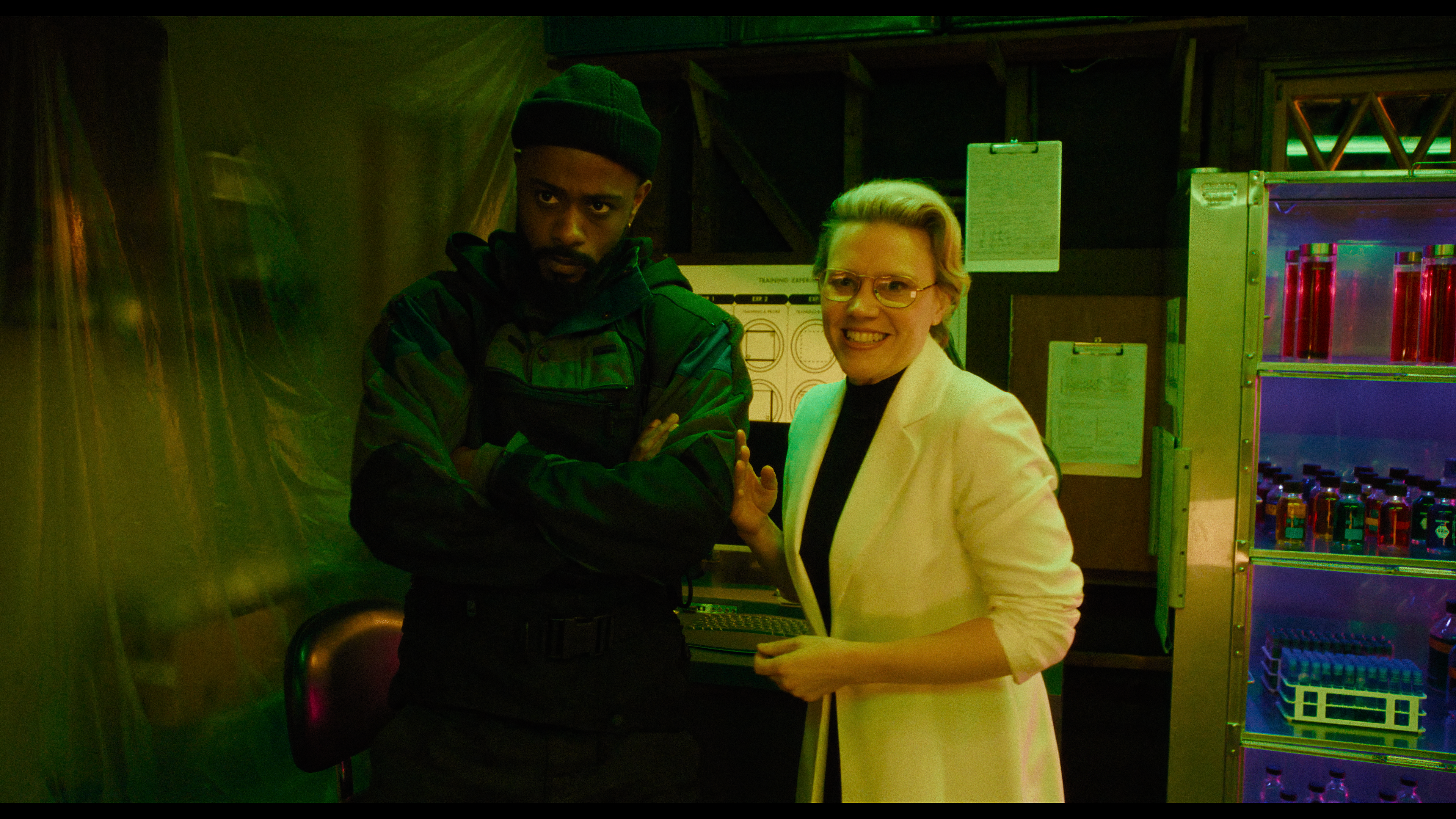
As a comedy, unfortunately, it falls flat for the most part. At times, it seems to be going for The Naked Gun approach of fitting as many jokes as possible into every minute, but it also has bigger themes of friendship and co-dependency on its mind. Thus, many of the jokes feel thrown in as the film forcefully develops this conflict, or lack of conflict, between the friends, only to give them a much larger conflict that inevitably sends them on their own hero’s journeys. Neither of them can rely on the other, or rather, they are forced to discover what they can do without having one another as a home base.
Thus, Wrong Girls hits differently for those who have been in co-dependent relationships of any kind, but as a comedy, it is not nearly there. Its jokes feel squished into the plot rather than emerging naturally from the journey these characters go on. The screenplay, therefore, feels very forced. (I must admit that I did not love the director’s last screenplay work on Moxie (2021), which also came across as very inauthentic to me.) And while this story and its themes certainly do seem to come from the heart, the delivery feels like a forced story rather than one that developed naturally.
The Wrong Girls is in theatres now.