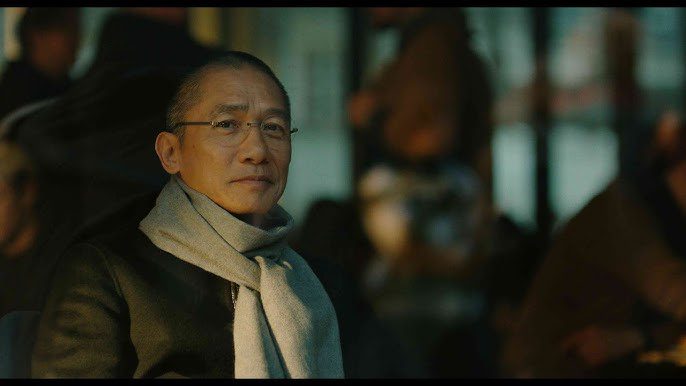
Silent Friend is a quietly ambitious film about three people at three different points in time, united by their connection to plants and their fascination with the world around them.
The first segment, set in the modern day and shot digitally, follows a neuroscientist (Tony Leung) during COVID who begins experiments to determine whether botanical consciousness can be measured. He pursues this work in distant collaboration with another scientist, played by Léa Seydoux. In 1972, shot in 35mm, we see a young student at the same university conducting similar experiments on a single geranium. Her progress excites her and also captures the curiosity of another lonely student. The third segment takes place in 16mm black and white in 1902, where the science department’s first female student makes remarkable discoveries.
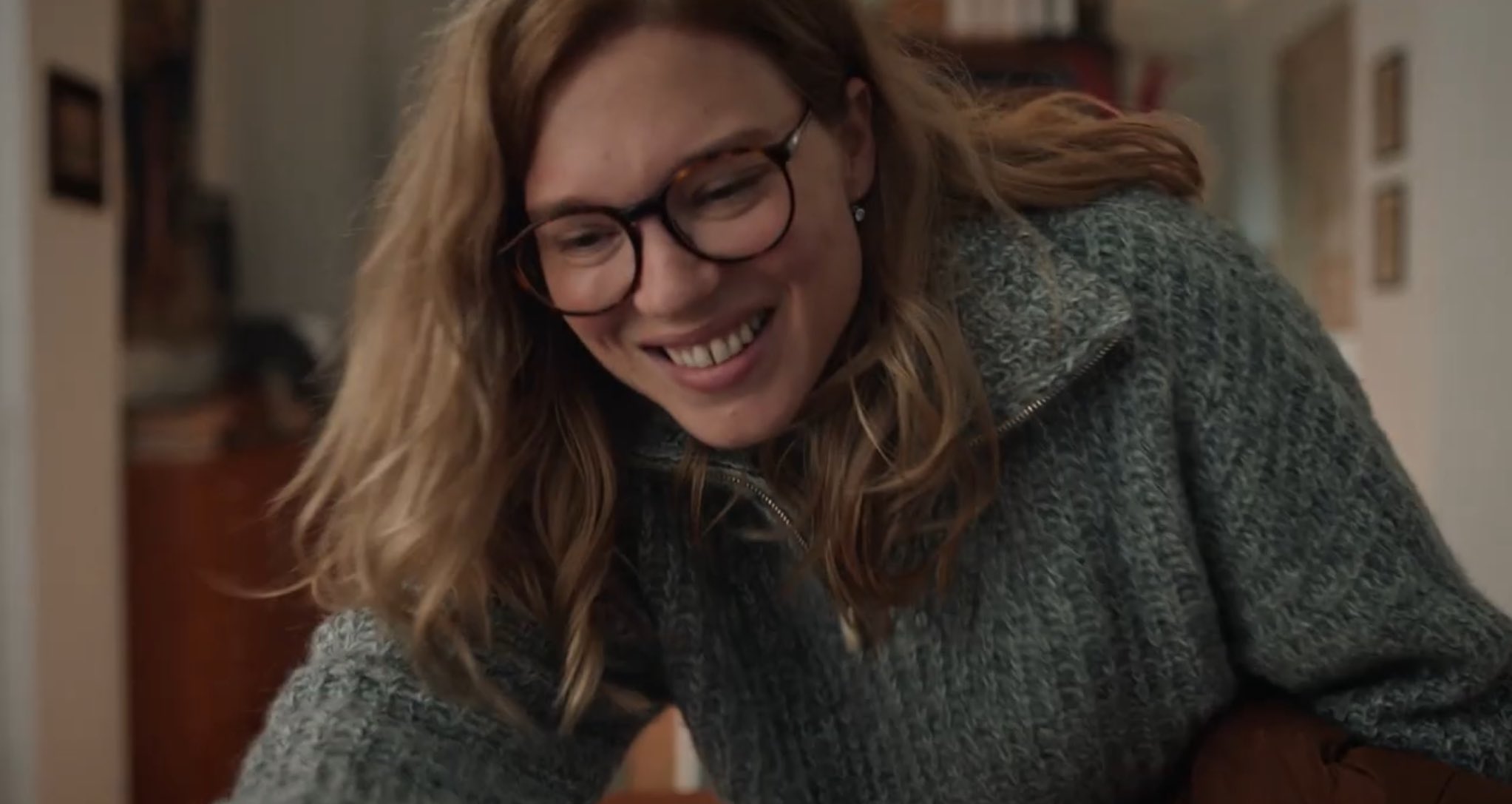
The early score and song selections contribute to a calming atmosphere. They are pleasant and engaging, complementing the harmonious imagery and inviting reflection on themes of isolation. Across different forms of isolation, we watch the three characters find connection through plants and the study of them. The film allows space for empathy, making the characters’ plights compelling and enjoyable to follow. Often, plot lines conclude just as something more dramatic seems about to happen. While this technique can compel audiences in many films, here it also provides space for reflection and speculation.
Silent Friend features striking framing in many shots. Some are from a tree’s point of view, allowing us to feel as though the main ginkgo tree—and the surrounding plants—are observing the humans as we observe the plants. Many shots place flora in the foreground or background, highlighting the characters’ relationship to nature. Creative camera choices help convey the characters’ emotional experiences, and the frequent use of distant shots reinforces isolation, keeping the audience physically and emotionally removed from the characters. This approach gives the film a distinctive style and perspective; each shot prompts the viewer to ask, “Why are we seeing nature—or this person—from this point of view?” For me, this was a crucial tool for engagement during the film’s longer two-and-a-half-hour runtime.
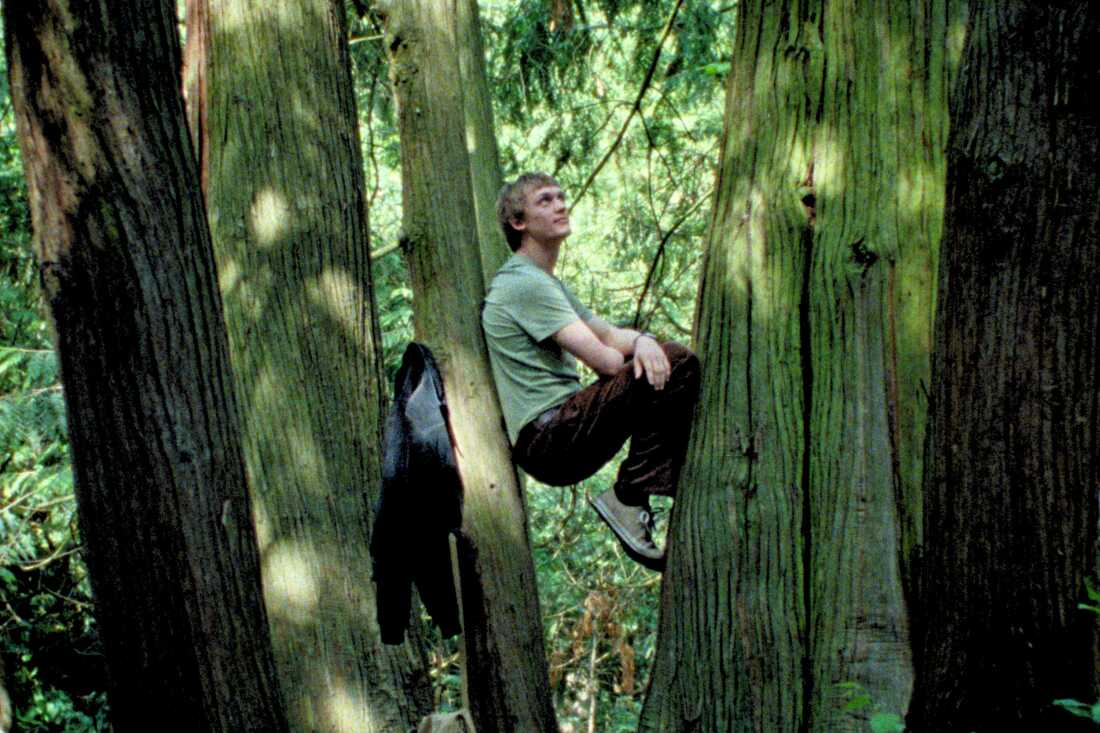
The film is also grounded by dialogue scenes and strong performances across the three time periods. The 1970s sequences, shot on 16mm, stand out with humorous lines and charming interactions. Overall, Silent Friend is a fascinating, deeply intimate film that I want to watch again.
The focus on plants allows the audience to see how characters connect to nature, which serves as a constant companion. The film questions why humans do not treat each other—and the plants around us—with the respect they deserve. By highlighting the complexity of each plant’s life, it encourages us to consider the complexity of human life and the reverence it deserves. The titular ‘Silent Friend’, a long-lived tree, distills and witnesses events across generations, offering a perspective on the world that no human can have. While we cannot access the tree’s perspective directly, the film creatively imagines what it might be like if plants could observe and reflect on our lives.
Silent Friend is available in theatres on May 15th, 2026.