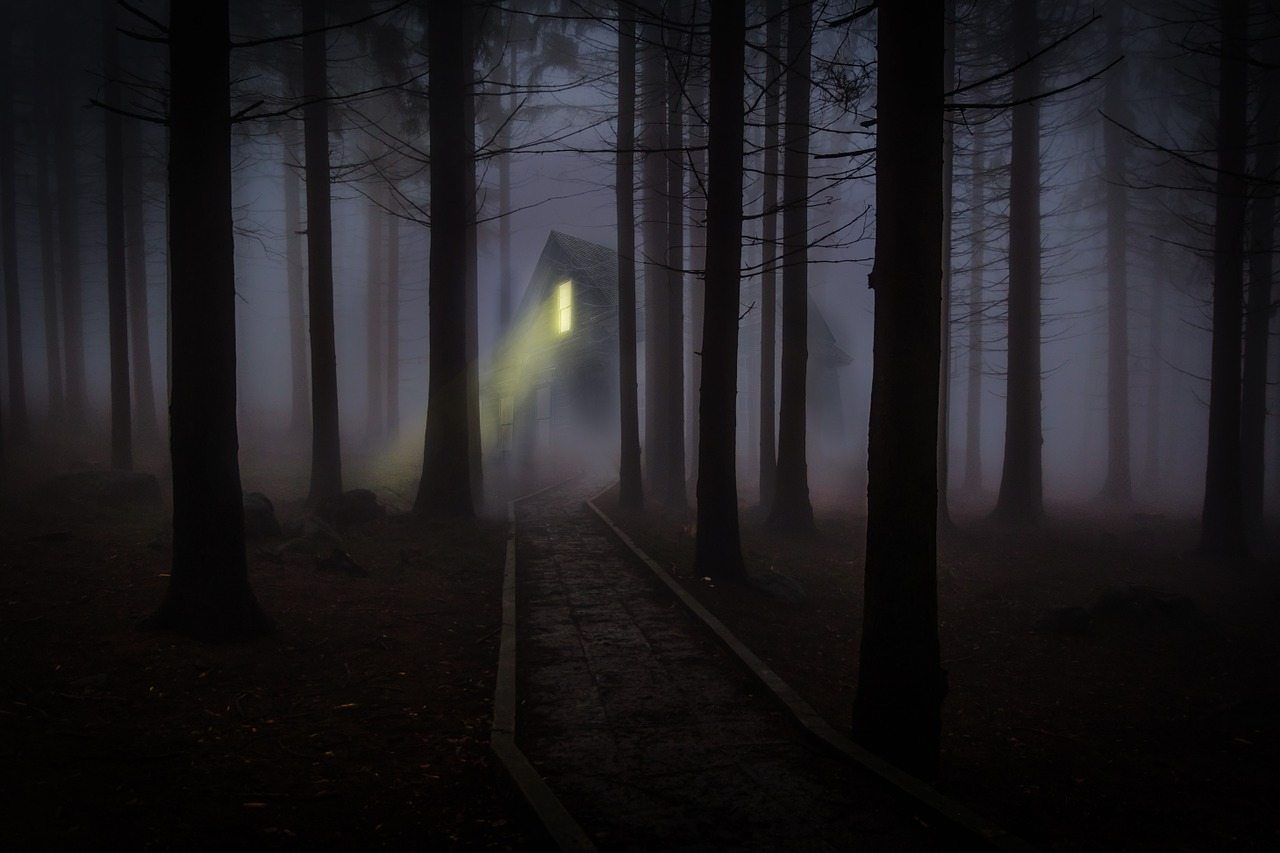
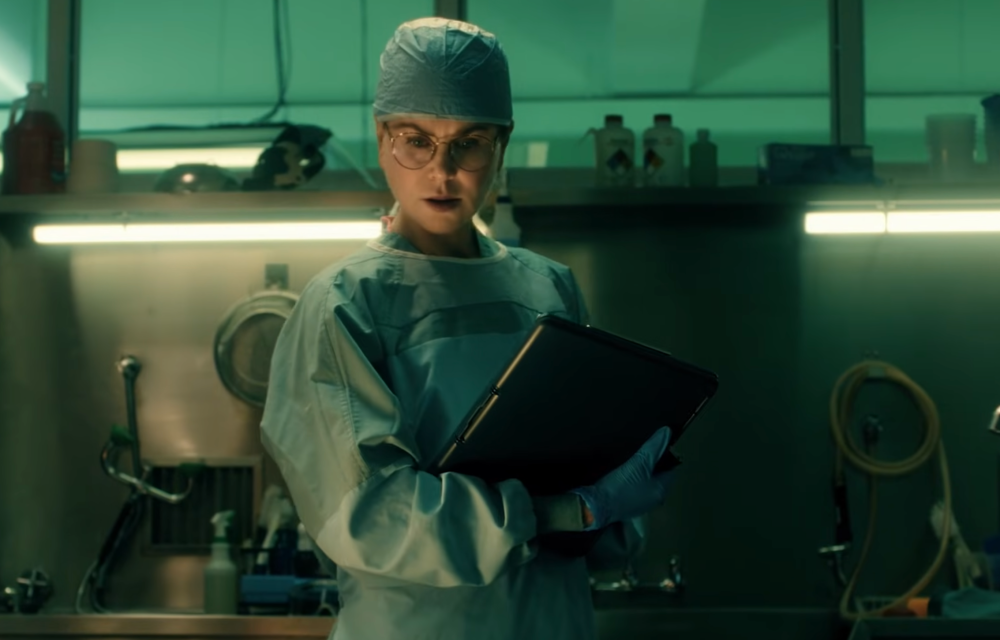
The show opens with a grisly murder and then flashes back to the first time Dr. Kay Scarpetta confronted a serial killer obsessed with displaying and humiliating women. As Chief Medical Examiner in Virginia, Kay is thrust into a dark and horrifying world, forced to confront the sight of women in inhumane positions while remaining professional and objective—even as their bodies are laid out for loved ones to discover. This is a world Kay has navigated for years, yet the new case she faces in 2026 may be connected to past crimes, potentially exposing flaws in the approach that first earned her national acclaim back in 1998. The weight of this history looms over her, adding both personal and professional stakes to the investigation.
The pilot establishes a strong foundation, though the story takes time to fully engage. With so much to set up, there’s limited immediate action, and Kay’s character as protagonist is mostly observational in the early scenes. Alongside her involvement in the new murder case, we are introduced to Kay’s family, particularly her sister Dorothy, who reveals hints of a tumultuous family dynamic.
Dorothy (played by Jamie Lee Curtis) frequently clashes with Kay—even while her daughter Lucy mourns her wife just a few feet away. We learn that Lucy lived with Kay back in 1998 during her formative years, planting the seeds of tension that have persisted across decades. This history is slowly revealed, leaving much of Lucy’s backstory mysterious, especially the impact of growing up under an aunt whose work exposed her to violent crime. These details create a layered family drama that runs parallel to the murder investigation, adding depth and emotional stakes.
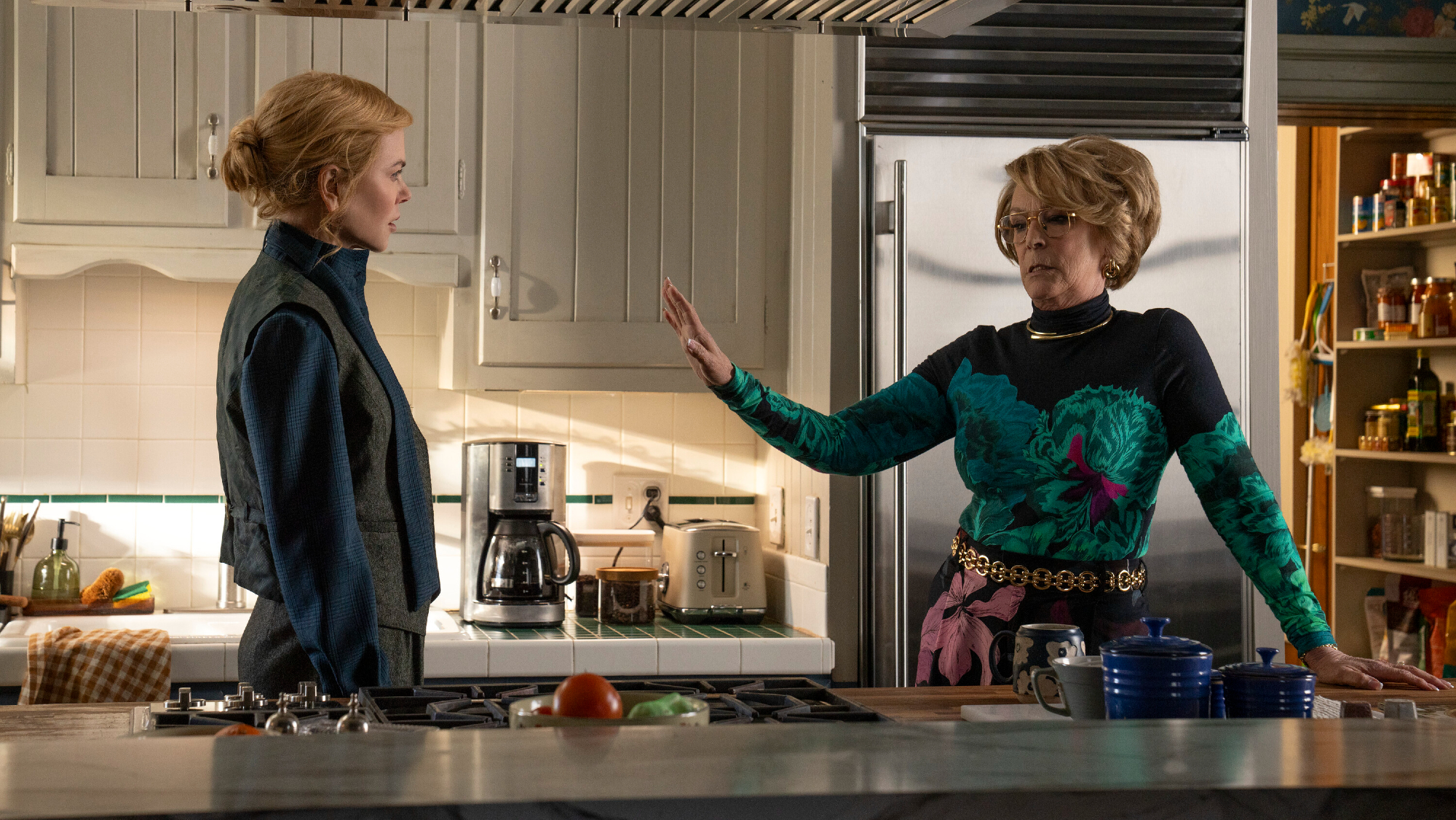
The family dynamics are inseparable from Kay’s professional life. Kay’s former colleague, Detective Pete Marino, is married to Dorothy, and Kay herself married an FBI investigator involved in the original serial killer case. All of these characters are intimately familiar with Kay’s first case, which catapulted her to national recognition, and each harbors differing opinions on it. New evidence in the present threatens to challenge the brilliance that once defined her career, forcing Kay to balance professional scrutiny with family tensions in a way that constantly tests her composure.
Nicole Kidman delivers a commanding performance, mastering a convincing American accent and bringing depth to her portrayal of Kay. Her scenes with Jamie Lee Curtis as Dorothy immediately establish the sibling tension as a key dramatic element, with their exchanges carrying weight, nuance, and intensity. Even in the pilot, the rest of the ensemble rises to meet Kidman’s level, contributing to the layered emotional landscape of the series without needing to match her intensity outright.
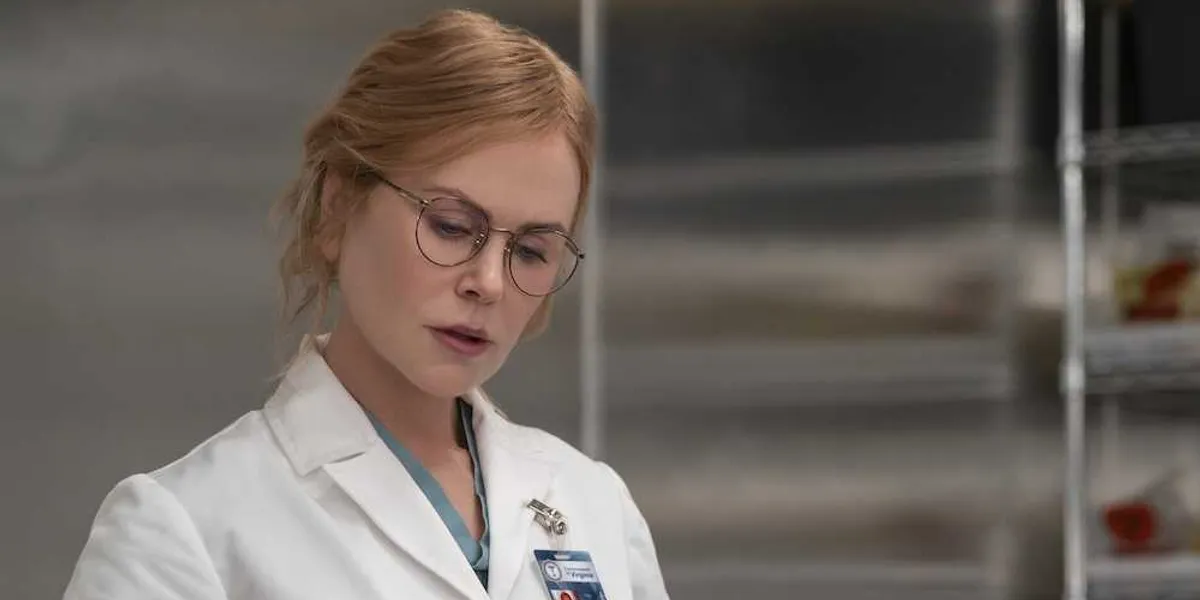
Under the direction of David Gordon Green, the show adopts a cinematic and theatrical visual style. Daylight scenes feature a brighter palette, contrasting sharply with the colder, more muted tones of nighttime, creating a strong visual rhythm. Composition and lighting are used with precision, capturing bold daylight and shadow to enhance both suspense and storytelling. Editing is tightly paced in montages that reveal key aspects of Kay’s personality: she is a woman of strict routine, whose world is dictated by her work. When her professional reputation is threatened, her personal relationships are inevitably affected, demonstrating the inseparability of her professional and private life. The pilot sets up a tension-filled narrative where every decision carries weight, making the stakes feel both personal and universal.
Scarpetta is now streaming on Prime Video.