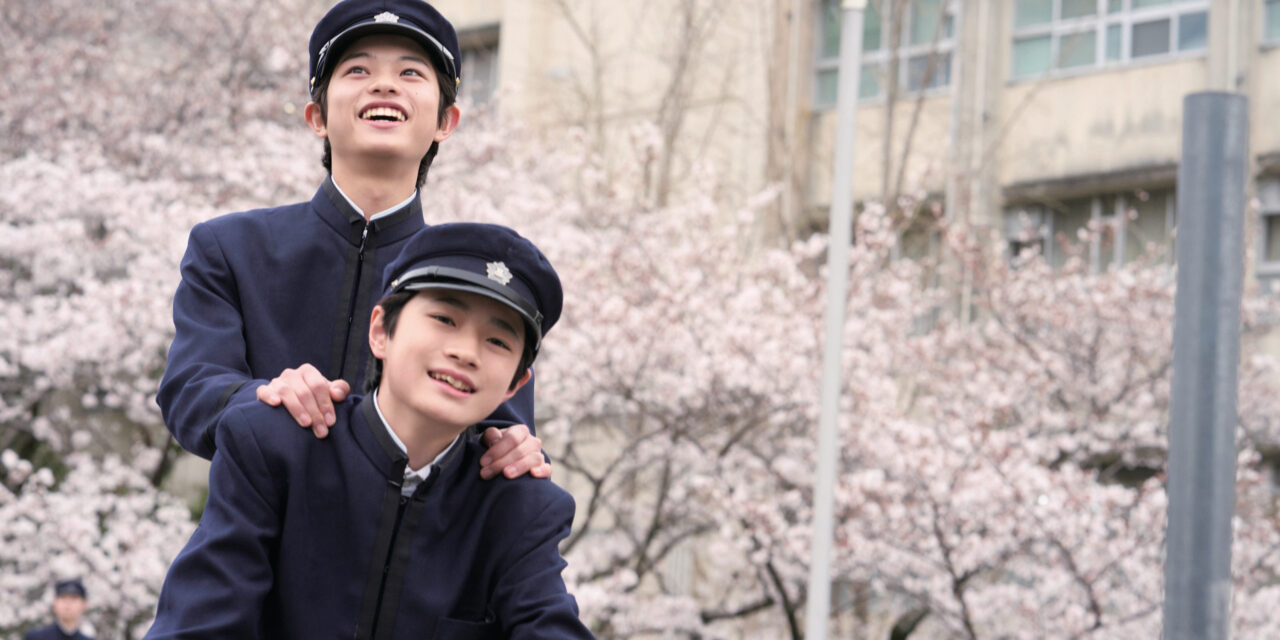
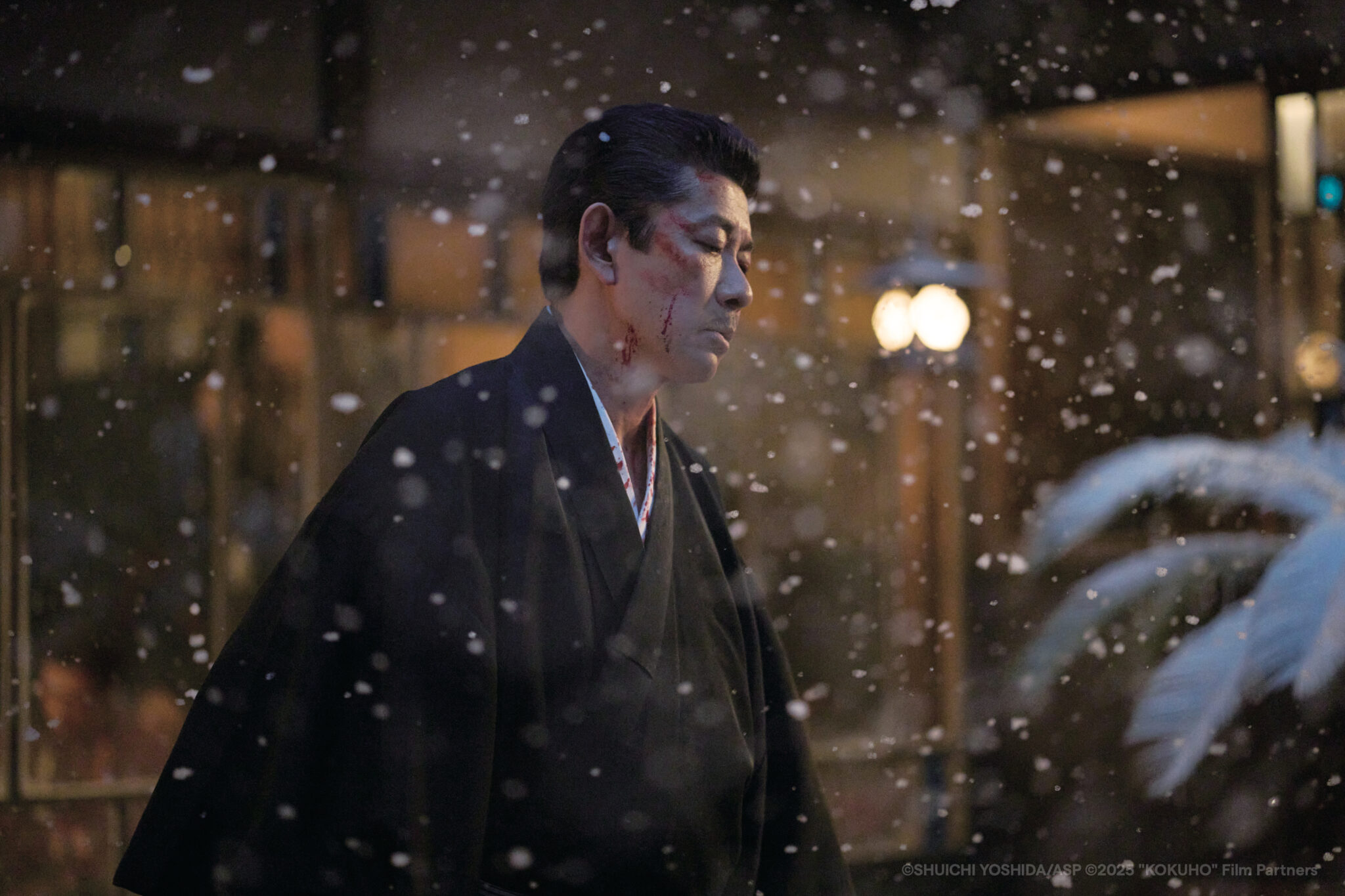
Kokuho is a decades-long epic revolving around the world of Kabuki actors, a highly respected art form in which male actors take on the roles of female characters. The story begins with 15-year-old Kikuho (Ryo Yoshizawa), the son of a Yakuza (crime family) leader, who is discovered by the famous Kabuki actor Hanjiro Hanai (Ken Watanabe) during an amateur performance. Hanjiro is impressed by Kikuho, and, fortunately, the very same day, Kikuho’s father is killed by a rival crime family. After a failed attempt at revenge, Kikuho comes to live with Hanjiro and becomes his adopted son. Together with Hanjiro’s biological son, Shunsuke, they are trained and disciplined in the strict art of Kabuki. Over the years, the boys take on various roles, both together and separately, unintentionally rivaling each other for Hanjiro’s professional admiration. Kabuki, we learn, is a trade passed down through family, and as Kikuho becomes more embedded in the family, their relationship grows increasingly complicated.
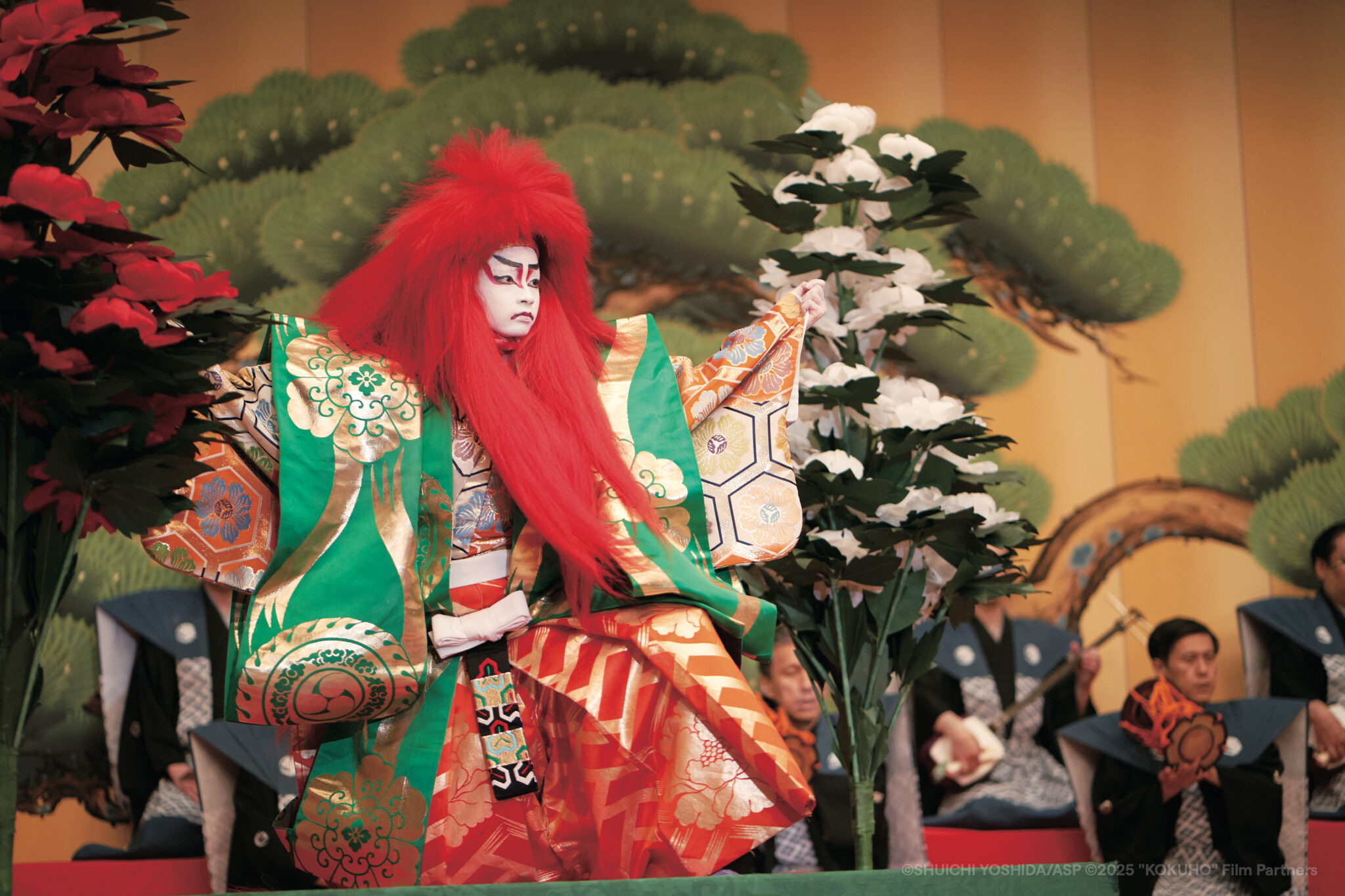
Despite its ambitious length, the film doesn’t show the same ambition in its camerawork and lighting. Those aspects are not as invigorating or interesting as the production design, costumes, and makeup, all of which are impressive. The film feels a bit too digital for such a sprawling, decades-long epic, and, despite being a period piece, never feels as though the filming approach was designed to highlight any unique aspects of older filmmaking techniques. The film thrives more on the long-developing relationship between Shunsuke and Kikuho. It’s not about larger political or cultural changes, but rather about how these two characters evolve in the face of the Kabuki world, where the politics remain mostly unchanged.
The film has been a wild success in Japan, becoming the highest-grossing live-action film in the country. Along with a submission to the Oscars, which resulted in a Makeup and Hairstyling nomination, the film has seen significant success. The prominent makeup worn by the Kabuki actors, as well as some well-executed aging makeup for the main actors, has been a key part of the film’s appeal. The costuming is equally deserving of praise. The use of both modern and period dress, along with a large number of extras in many scenes, contributes to the visual richness. The intricate and varied costumes, which reflect the different stories the characters portray, are diverse and colorful. This section of the film, where we see stories within the story, is just as engaging and revealing about the characters as some of their actions.

The story reaches a point where it mirrors the Biblical tale of Esau and Jacob, with one sibling taking away another’s birthright, raising questions about how much nepotism and family standing influence our lives. The film evokes elements of Scorsese’s gangster films, showcasing the rise and fall of characters. However, instead of a life of crime, like in Scorsese’s works, we are immersed in the world of Kabuki—an art form that, as someone learning about it for the first time, seems silly and almost cartoonish on some levels. Despite this, the film treats Kabuki with respect, showing why the life of a great Kabuki actor is so desired by both Kikuho and Shunsuke. That being said, the film could have done more to help those unfamiliar with Kabuki’s intricacies understand it better. I never fully understood why a performance was considered great or poor, making the longer scenes feel overly long without adding much depth to the characters.
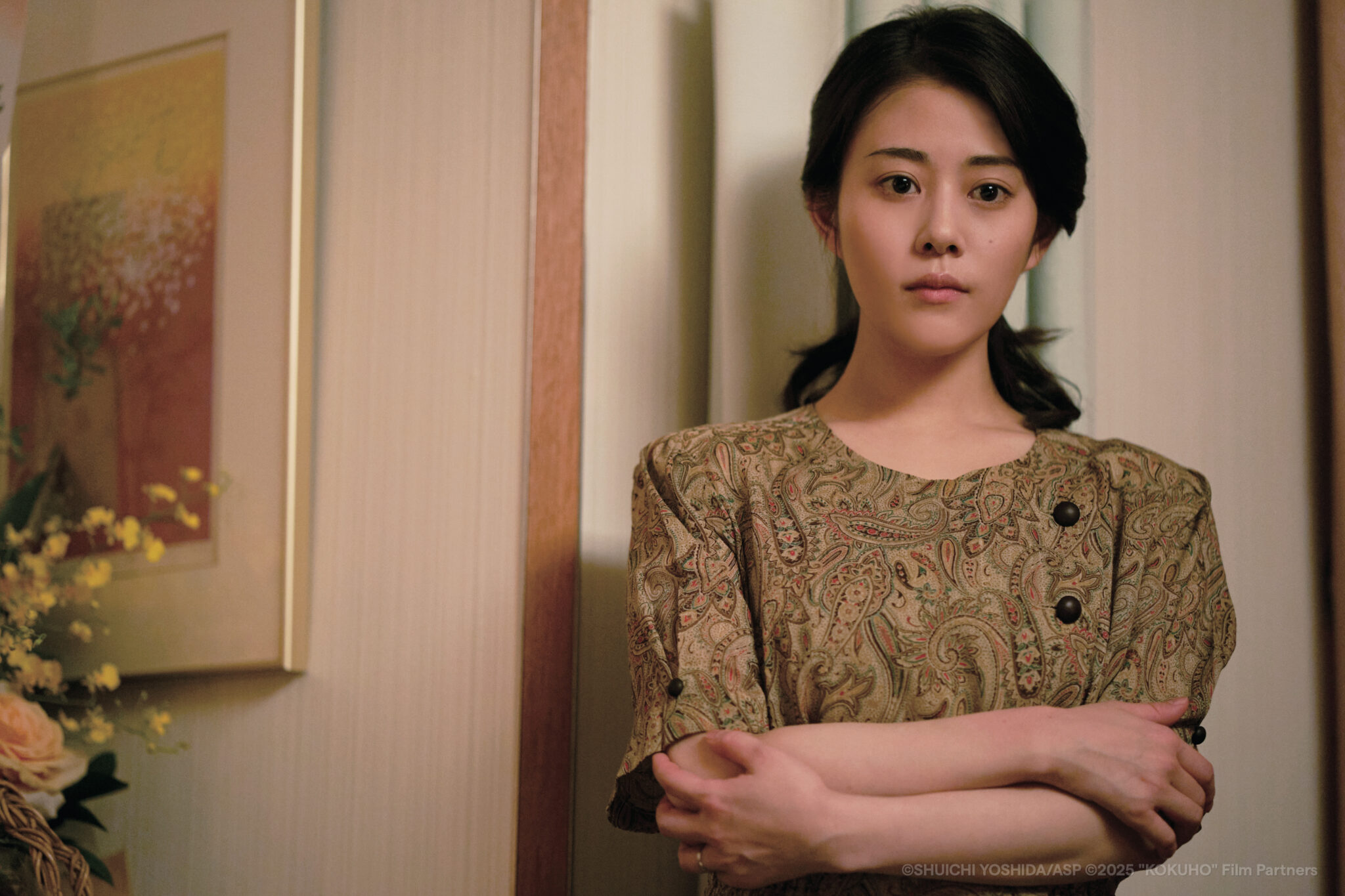
I am also disappointed by the portrayal of the female characters. In some moments, the film expects us to care about them, but they are not given strong identities or agency to connect with. They are passive participants in the lives of the men, which, on one hand, seems to be the point. Some characters use the women in their lives solely to gain something, showing no real love for them. Still, it is hard to see the humanity in these characters, and as a result, it’s difficult to feel emotionally invested in the moments where the main characters either ignore or confront the women in their lives. The central two characters, however, have a compelling arc, with their evolving and complicated relationship—marked by jealousy, insecurity, and desire—driving the film forward. Their dynamic keeps the movie engaging, and its conclusion leaves viewers with a sense of what the film wants to convey about regret and how a career can overtake every aspect of a person’s life. However, the scenes and sequences following this thesis don’t fully support it.
For a movie this long, the overall product feels underwhelming. Nonetheless, there are certainly strong aspects of the film that make it worth watching.
Kokuho is available in theatres on Friday, February 6th, 2026.