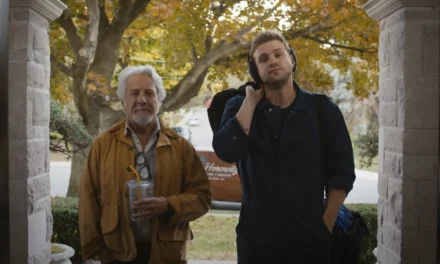
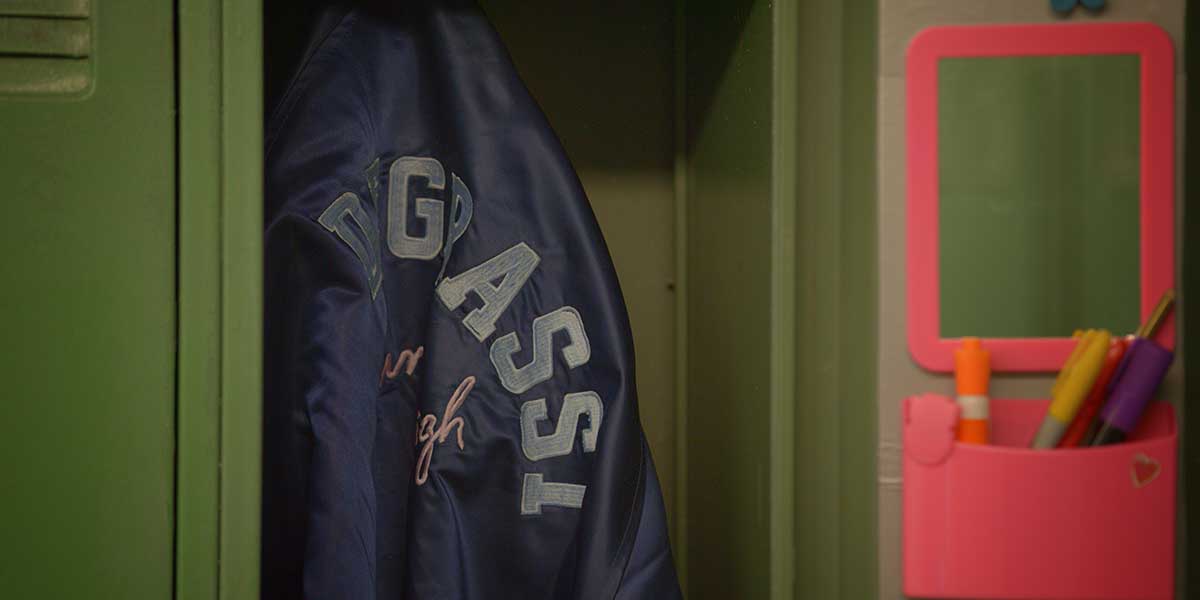
Degrassi: Whatever It Takes is a masterful documentary without an opinion that quietly exposes 35 years of child exploitation.
For any kid whose childhood was shaped by Degrassi, you should watch this documentary with some Gravol by your side because the disgusting reality of what it took to make this show will make you nauseous. Before the film’s release, it was plagued by a lawsuit by the show’s co-creator, Linda Schuyler, who feared the film would “lead viewers to believe she created an empire that profited at the expense of the show’s young actors.” So, the production team were forced to add clips that might give more context to her intention and approach to how she managed the set and what her mindset was as the co-creator of the series.
What Schuyler got right was how she depicted life as a young kid trying to figure out life. Her vision is what made Degrassi a success, and her willingness to keep it real is why that show connected with so many kids and young adults. Additionally, I respect her for tackling issues like abortion, race, sexual assault, drinking and a plethora of real issues kids might face in their development. She dared to go where no other showrunner would in the ’80s and ’90s, especially in America. The series was groundbreaking in the truest sense of the word. But HOW she went about it is truly messed up.
Director Lisa Rideout deserves her flowers for allowing each former cast member to speak the truth about their experiences on the show without censorship while creating an exciting and celebratory tone that mirrored the real-life feelings fans have for the show. Although I don’t know what it took to make this doc, I can’t imagine it was easy to strike this balance. I say this because, as a viewer, you can’t help but feel a sense of bitterness from some of the former cast and rightfully so. Schuyler’s vision for the kids watching the show was not reflected in the future of the kids making the show; she undeniably took advantage of those kids and kept most of the profits for herself. Not only did she underpay them, but in the ’80s, the production was non-union, meaning those child actors had no one advocating for them or ensuring they had access to fair pay. Their personal stories and experiences at home were turned into storylines – their literal identity was stolen by the writers and turned into episodes, and they received no compensation for it. A behaviour that would continue into Degrassi: The Next Generation.
As much as I love this show, I am not sure I could ever watch it again knowing what I know now about how exploited these actors were. While Schuyler lives a life of luxury, ninety percent of the former cast have nothing to show for their time and literal sacrifice on the series. I am surprised that Schuyler doesn’t have more lawsuits against her. Ultimately, the doc is bittersweet but an important story to tell. Rideout is a knockout and I look forward to seeing what she does next.
Degrassi: Whatever It Takes is playing at TIFF ’25. For more information, click here.