
Blue Heron has broken out as a quiet, critical hit exploring the angst and struggle of teenage mental health through the eyes of a child and the parents who simply do not know how to help the boy that they love.
The family of Blue Heron moves from Hungary to Canada’s Vancouver Island, where their new life comes with its many challenges. With the father working constantly on the computer and a whole summer break to deal with her 4 children, the mother must figure out any way to keep them entertained. In particular, she needs to keep her first biological son, Jeremy, out of trouble. But the longer the summer goes on, the worse it seems to get.
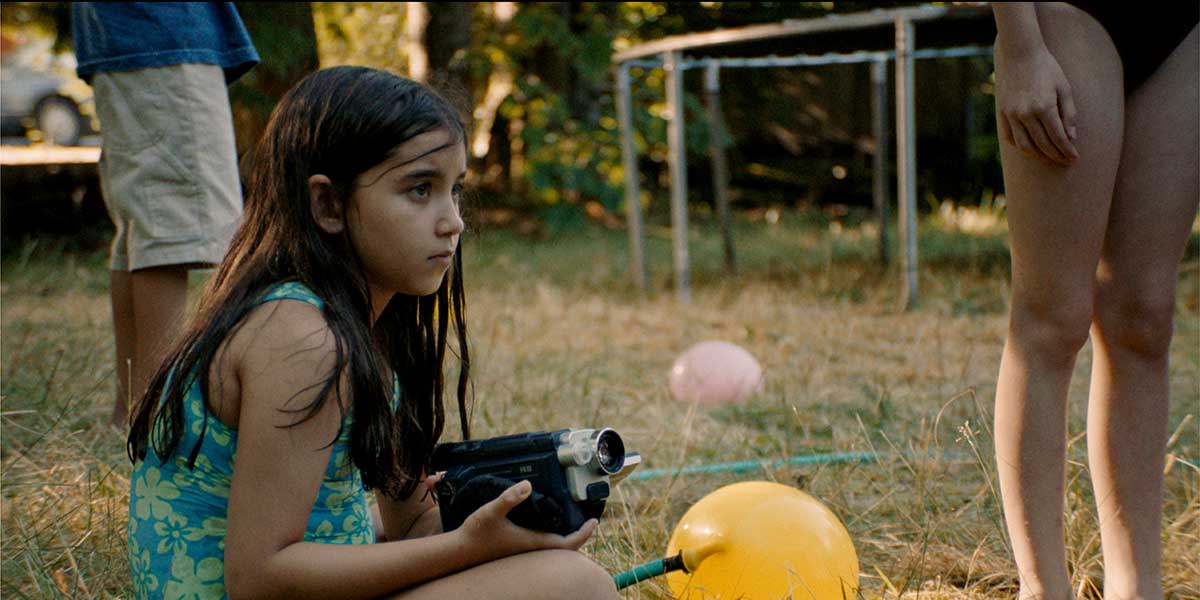
The film has lots of great elements to praise. First of all, it has a very abrasive–but soothing–score that matches the somber mood the film often takes. The music aligns with the themes of reflection and memory that the story naturally encompasses. Heron also features lots of interesting shot selection. There always is an intention in how director Sophy Romvari places the camera. For Jeremy, as the centre of the conflict, we see him from a distance from our protagonist Sasha’s eyes. This perspective remains going forward as the film explores different parts of this family’s life.
Great performances from the young cast in this film create a subtle but effective commentary on how mental health is addressed for underprivileged families, even in a first world country like Canada. It contemplates how a child and a struggling mother is supposed to support such a young man. Blue Heron is a beautiful, understated film that is rightfully getting a lot of praise. This should be one of the most awarded and talked about Canadian films this year and I cannot wait to see what this director does next.
Blue Heron is playing at TIFF ’25. For more information, click here.